.svg)
Webinar Details:
- Name of Event: CPD Webinar
- Date of Event: 10th January, 2026
- Event Duration: Full Session
- Type of Event: Webinar
- Event Free or Paid: Free
- Topic Name: Building a Clear Understanding of SQAAF
- Speaker Name: Dr. Gayatri Kanwar
- Speaker Designation: Deputy District Training Coordinator (CBSE)
- Session Moderator: Mr. Nishant Lakra
- Number of Teachers Attended: 130+
Ready to transform your teaching journey like these educators did?
Explore our CPD Training Now!
View More Moments from the Webinar Below!
Webinar Recording:
Key Highlights of the Webinar
- Understanding SQAAF Framework: Teachers learned what SQAAF (School Quality Assessment and Assurance Framework) is and how it helps schools measure and improve teaching quality under NEP 2020 and NCF 2023.
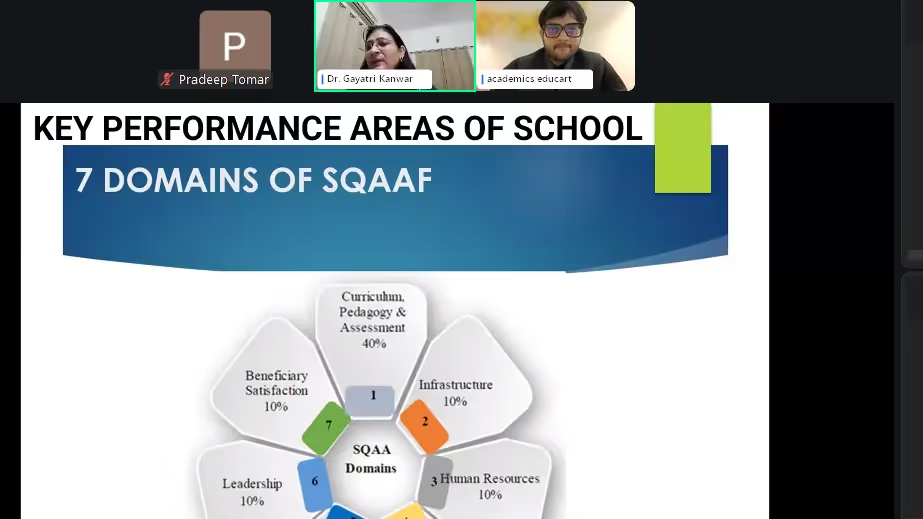
- Seven Key Domains Explained: Dr. Kanwar broke down the 7 SQAAF domains with special focus on Curriculum, Pedagogy, and Assessment, showing what each one means for daily classroom teaching.
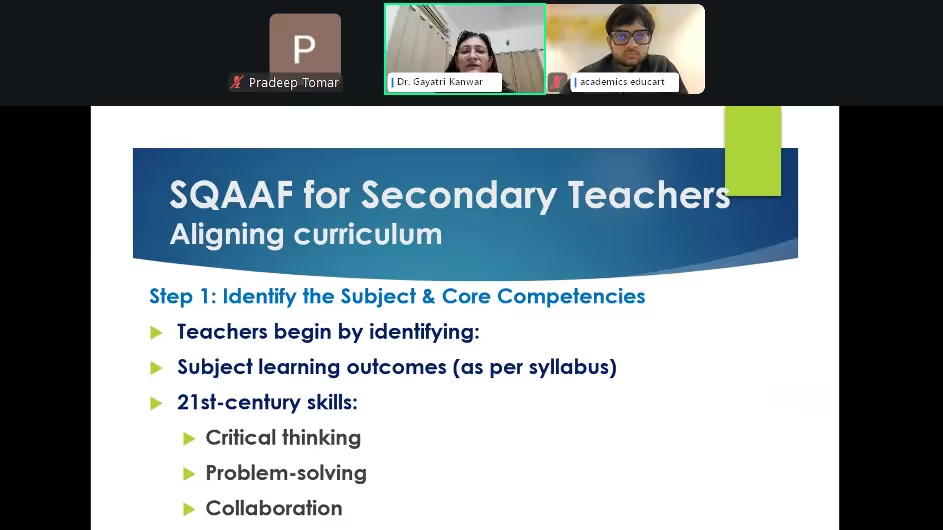
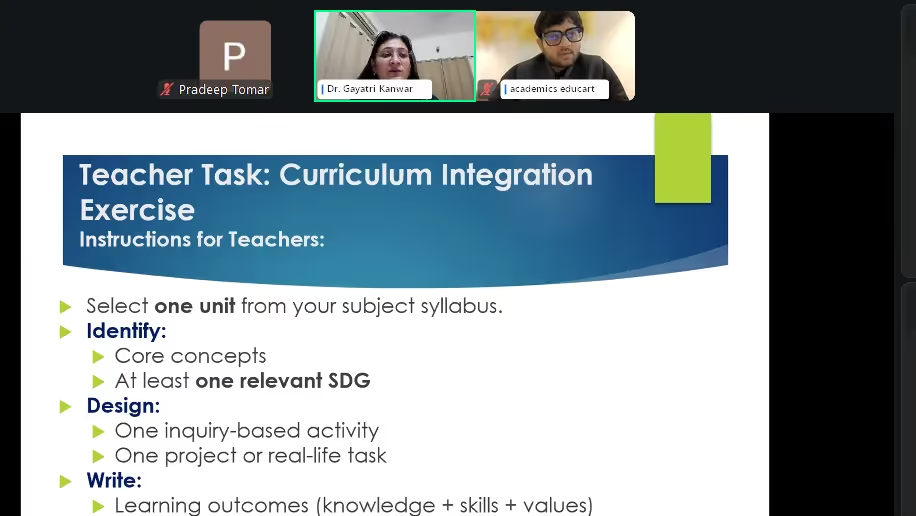
- Aligning with Learning Outcomes: The session showed how to connect lesson plans with real learning outcomes and Sustainable Development Goals instead of just finishing chapters.
- Planning Learning Progression: Teachers discovered how to plan the entire year's learning journey step by step, making sure students build skills gradually instead of jumping around randomly.
- Active Learning Strategies: The webinar covered practical methods like inquiry based learning, project work, case studies, and debates that get students actively involved instead of passively listening.
- Assessment for Learning: Dr. Kanwar explained the shift from "what to learn" to "how students learn" and "what students can do," using feedback and feedforward to actually help students improve.
Educart organized a national CPD Webinar on Building a Clear Understanding of SQAAF that brought teachers and school leaders together . The session was led by Dr. Gayatri Kanwar, Deputy District Training Coordinator for CBSE, with Mr. Nishant Lakra moderating the discussion. The webinar focused on helping educators understand and implement the School Quality Assessment and Assurance Framework, which is a big part of how schools are being evaluated under the new education policies.
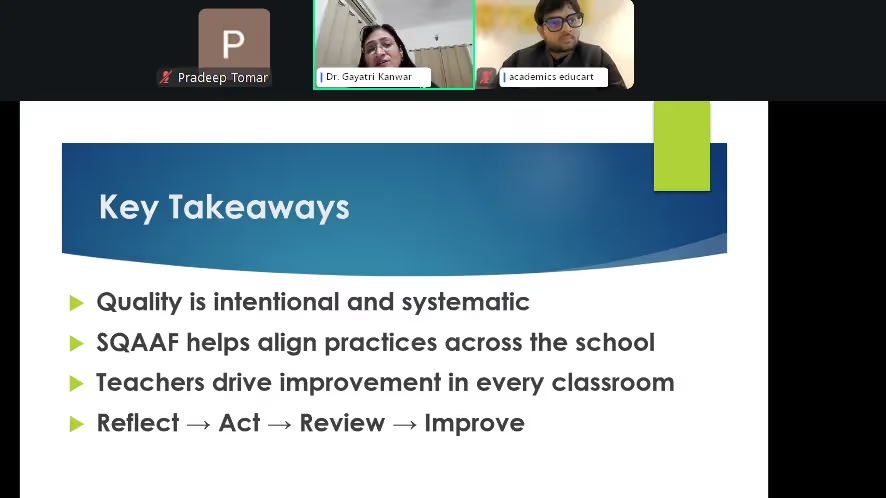
Dr. Kanwar started by explaining what SQAAF actually is. Many teachers have heard the term but don't really understand what it means or why it matters. SQAAF is a framework that helps schools assess and improve their quality based on NEP 2020 and NCF 2023 guidelines. It's not just about infrastructure or exam results anymore. The framework looks at 7 key domains that measure different aspects of school quality. Dr. Kanwar focused especially on three critical domains, Curriculum (what is being taught), Pedagogy (how it's being taught), and Assessment (how learning is being measured). She explained the weightage of each domain and what they mean practically in classrooms. The session then walked teachers through a structured process for outcome oriented teaching. Instead of just finishing syllabus chapters, teachers learned to align learning outcomes with Sustainable Development Goals, plan learning progression across the entire academic year so students build skills step by step, integrate real world applications so students see why they're learning what they're learning, and weave in values and citizenship education alongside academic content.
A major part of the webinar focused on changing teaching methods. Dr. Kanwar emphasized active learning strategies that make students participants, not just listeners. She covered inquiry based learning where students ask questions and investigate, project work where students apply knowledge to solve real problems, case studies that connect classroom learning to real situations, and debates and discussions that build critical thinking. The session also tackled assessment, which is often misunderstood. Dr. Kanwar explained the shift from traditional assessment (testing what students memorized) to assessment for learning (understanding how students learn and what they can actually do with their knowledge). This includes giving meaningful feedback that tells students what they did well and what needs work, and using feedforward practices that guide students on what to do next to improve. Overall, the webinar empowered teachers and school leaders with clear, practical knowledge to translate SQAAF policy into real classroom practice and drive actual improvements in teaching and learning outcomes.
Glimpse of the Event
Share Article


.svg)





%2520(1).avif)
























.svg)

