As a teacher, have you ever noticed that some children struggle to follow a lesson or to participate in activities more than other students? Inclusive education helps students with all abilities and skills to overcome these issues and have equal opportunity to learn and grow. It helps teachers to understand students’ individual needs and create a classroom where every student feels supported and valued.

Educart organised the two-hour session on inclusive education. The session focused on how teachers and schools can create a supportive classroom. The workshop also includes practical methods to learn the importance of teacher training, classroom adaptations, assessment and parents’ involvement in students’ development.
The purpose of the workshop is to build awareness about inclusive education and how to apply it inside classrooms.

Workshop at a Glance
- Topic: Inclusive Education
- Event Type: Teacher Training Workshop
- Organised by: Educart
- Date: 16 October 2026
- Duration: 2 Hours
- School: Shring Sheffield School, Patna
- Speaker: Mr Ajay Kumar
- Speaker Designation: Principal, Leeds Asian School, Patna
- Discussion Led by: Mr Sanjay
- Teachers Attended: 18
- Participation Fee: Free
What Does an Inclusive Classroom Look Like?
The workshop focused on what an inclusive classroom should look like. An inclusive classroom is a place where every student has a chance to learn, participate and feel welcomed. Teachers have to understand that students may have different abilities, strengths, and communication styles, and ensure that these differences do not prevent them from learning with other students.
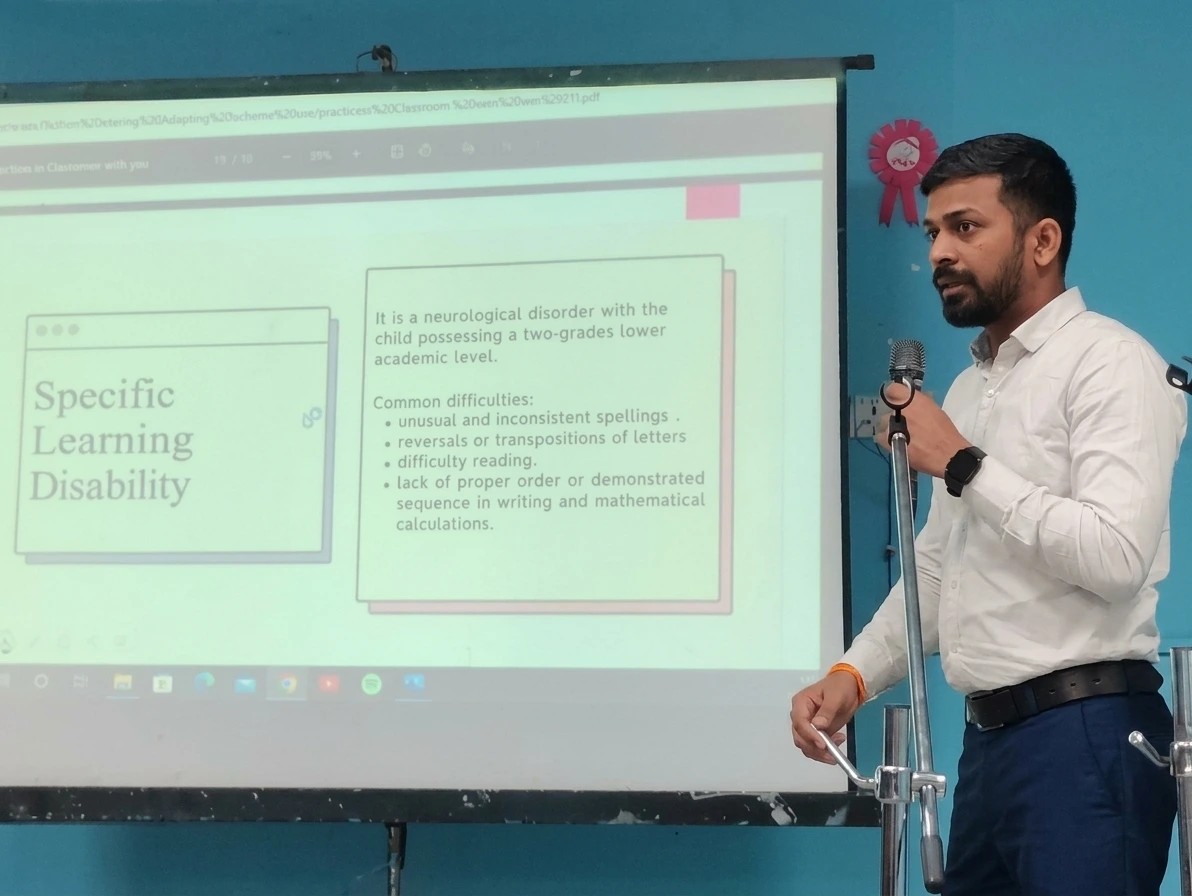
During the workshop, Mr Ajay Kumar explained the basic definition of inclusive education and practical approaches that teachers can follow to improve their teaching methods.
For example, if a student struggles to follow instructions, the teacher may break the instructions into smaller steps. Teachers can also use pictures, demonstrations and practical activities for students who struggle with topics and concepts.
Benefits of Inclusive Education
The workshop also highlighted how students with different needs can benefit from an inclusive classroom environment. When schools and teachers create such a supportive environment to learn, students will participate in activities and build confidence.
Some key benefits of Inclusive education:
- Accessible Learning: When students feel welcomed and valued in the classroom, they will acquire more and participate more in classroom activities.
- More Student Interaction: Inclusive education will allow students to share knowledge, ideas, experiences and opinions with their classmates without any judgements.
- Stronger Teamwork: Through participation in group tasks, students will work together to find solutions and develop stronger teamwork with their classmates.
- Respecting Diversity: Students will learn to respect different skills, abilities, learning styles and needs of each other through inclusion.
- Supportive Classroom: Inclusive education provides a fair and equal chance of learning for every student and builds a positive and supportive classroom for everyone.
To create these benefits, not only teachers but schools also need to provide active support and improve their teaching approaches.
Building Empathy in Classrooms
When teachers and classmates don't understand students’ needs, it can make learning more difficult for them. Thus, the workshop discussed the role of teachers in creating awareness and guidance around inclusive education to build empathy in the classroom.
Teachers can build empathy in the classroom by improving peer support, anti-bullying awareness and increasing student interaction. Small regular actions can also help build a supportive space:
- Promote respectful and kind behaviour among students.
- Take action against bullying promptly and ensure every student feels safe.
- Plan group activities and encourage students to participate and interact with each other.
- Teach students to value and respect each other’s opinions.
- Aware students that every child learns in their own way and may or may not need extra support.
Building empathy in the classroom matters because an inclusive education system depends on how students and teachers treat each other. Proper rules and facilities must be provided to ensure teachers and students feel supported and welcomed in everyday school life.
How To Make School Spaces More Inclusive
In the workshop, Mr Ajay Kumar also explained that only applying inclusive teaching methods is not enough. Schools must modify their facilities, learning materials and daily routines. The workshop also discussed the ways that schools can review and improve their facilities to make inclusion easier.
Tips to promote Inclusive education in your school:
- Classroom access: Schools need to physically review the infrastructure and ensure that every student can access the classroom and move around freely.
- Suitable learning materials: Use different types of teaching materials according to students’ needs to support their understanding of difficult topics.
- Inclusive activities: Plan tasks and activities considering the different needs of all students.
- Teacher training: Provide timely training to teachers and help them identify and support individual needs of students.
- Students’ progress: Review students' progress on a daily basis and identify if they need further support.
- Working with parents: Work with parents and keep them informed about their child’s progress and involve them in discussions about their learning.
Inclusive education requires a group effort of teachers, schools, parents, and classmates. Schools must adapt the right methods and improve their facilities to ensure every student gets equal opportunities.
Inclusive Methods for Everyday Teaching
Teachers should also understand that one lesson that works for one student may not work for another. In that case, teachers can make a few changes in their teaching methods that can help other students understand the same lesson.
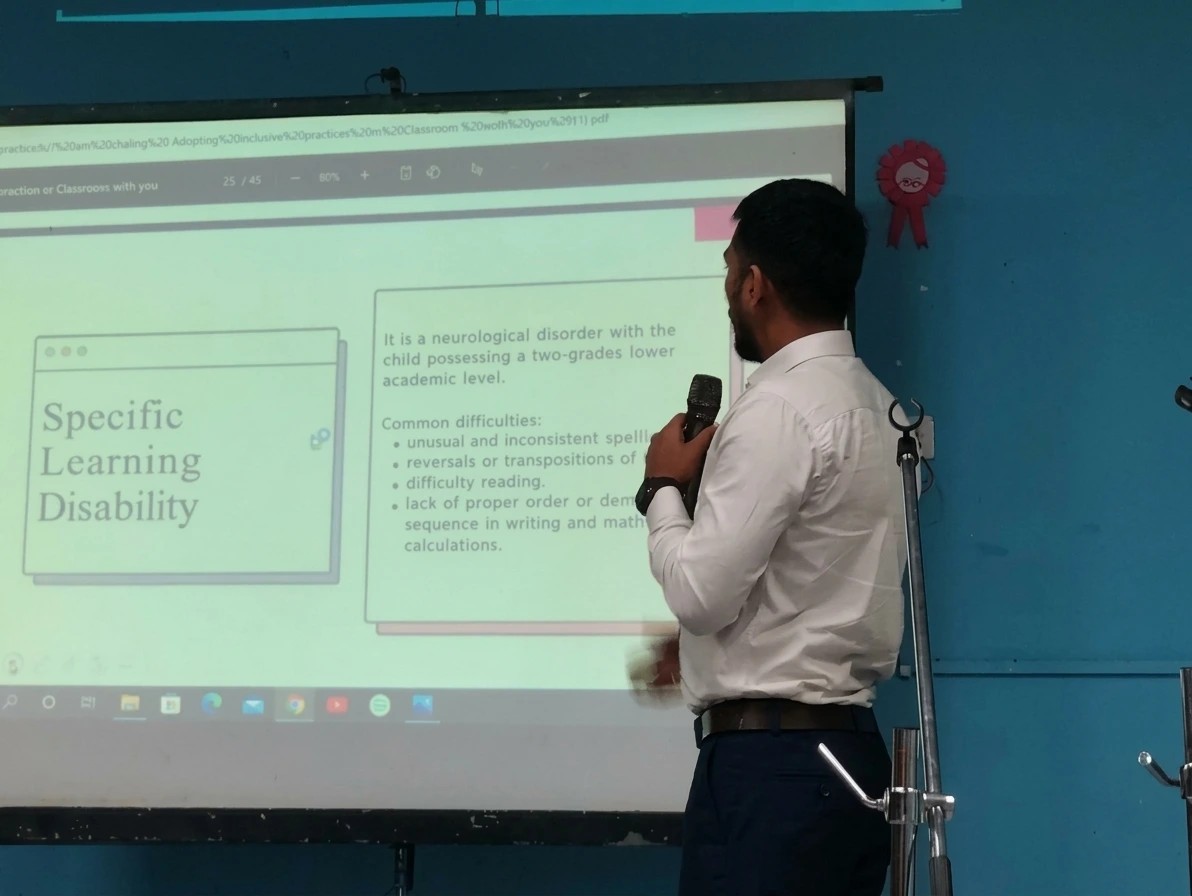
The workshop explained strategies for teachers to make classroom learning more accessible for every student. Using short instructions, repeating important information, and preparing students for tasks can help teachers adapt inclusive methods.
- Simple instructions: Keep the instructions simple and break them into short steps so students can follow easily.
- Ensure student understanding: To ensure that students understand the task, ask them to describe it in their own words.
- Try various methods: Use pictures, examples, demonstrations, activities and other methods for students who need extra support.
- Repeat key information: Repeat important concepts and key information for students to better understand the instruction.
- Prepare students: Provide students with enough time to prepare for changes and new activities.
- Use technology: Use digital tools and suitable technology to make learning easier and accessible.
Teachers can also observe what steps are working and which approaches help students, then adjust teaching methods accordingly.
Supporting Students Through Flexible Assessment
Assessments help teachers to ensure that students understand and are ready for the next lesson. However, rigid assessment methods may make it difficult for students to show what they have learned.
To address this problem, the workshop discussed ways to make assessment flexible while keeping the focus on learning.
Tips to adapt to flexible assessment:
- Make question formats easy and accessible for all students.
- Allow students extra time if they need it, under relevant guidelines.
- Give a clear explanation of the assessment task so students understand what they have to do.
- Adapt and adjust assessment methods wherever rules allow it.
- Keep track of students’ progress to find out the areas where students may need help.
Teachers should make changes in the assessment methods according to the students’ needs and considering examination guidelines. The discussion also explained that the goal is to provide an equal chance to students to show what they have learned.
Conclusion: Making Classrooms More Inclusive
Educart organised a teacher training workshop on Inclusive Education. This was a two-hour session held at Shring Sheffield School, Patna, on 16 Oct 2026. The teacher training workshop, with speaker Mr Ajay Kumar, helped teachers and schools understand the importance of inclusive education.
The session covered the purpose, benefits, and challenges of applying inclusive education in the classroom.
The highlighted point of the session is that teachers should use the learning from the workshop to apply inclusive education and identify the challenges that students face. Schools, parents, and experienced professionals can help teachers meet the different needs of students.
Glimpse of the Event

Share Article