
.svg)

Article writing sounds formal, but it’s really just about putting your thoughts into words in a clear and structured way. Whether you're writing to inform, argue, or persuade - it’s all about making your voice heard.
And yup, article writing Class 12 is part of your CBSE English syllabus. It’s not just for marks - it helps with thinking clearly, building strong vocab, and improving how you express yourself.
This complete guide covers the latest CBSE format, marking scheme, types, step-by-step tips, and solved examples - everything you need to score full marks in article writing for Class 12.
Article Writing Practice Questions PDF
Students can download this PDF for several article debate writing samples and practice questions.
What is Article Writing?
Article writing is a piece of formal writing that presents information, opinions, or analysis on a specific topic to a large audience. Articles are published in newspapers, magazines, school journals, or online platforms, and their main purpose is to inform, persuade, or raise awareness.
In the CBSE Class 12 English exam, article writing is descriptive and analytical in nature and is based on verbal inputs. Unlike a diary entry or personal opinion piece, a CBSE article must:
- Stay focused on the given topic
- Present facts, examples, and logical arguments
- Be written in a formal or semi-formal tone
- Follow the prescribed format strictly
- Aim to inform, analyse, or create awareness
Article writing is more than an exam task - it builds clear thinking, strong vocabulary, and effective written communication, skills that help in college entrance exams, interviews, and professional life.


CBSE Class 12 Article Writing Marks Distribution (2026-27)
As per the latest CBSE Class 12 English Core syllabus, Article Writing appears in Section B – Creative Writing Skills (18 marks). Here is the exact marking scheme:
Points to Remember:
- Word limit: 120-150 words
- Choice: One out of two questions to be answered
- Type: Descriptive and analytical, based on verbal inputs
Article Writing Format Class 12
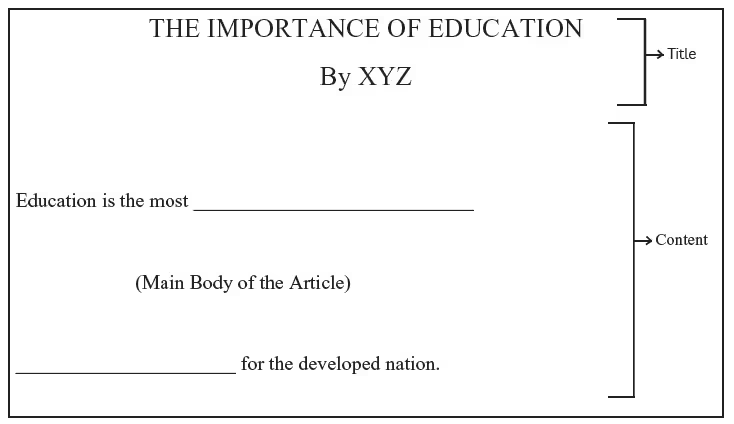
The CBSE article writing format has four essential parts. Follow this structure exactly to secure full format marks.
1. Title (Heading)
Write a short, catchy title at the top - centred and in capital letters or bold. The title should clearly reflect the topic and grab the reader’s attention.
2. By-line
Write the name of the writer just below the title, usually starting with “By” followed by the given name (e.g., By Rohan Sharma). This carries 1 format mark and is often missed by students.
3. Introduction (Opening Paragraph)
Begin with 2-3 sentences that introduce the topic. You can start with a quote, a rhetorical question, a startling fact, or a brief definition to hook the reader.
4. Body (2 Paragraphs)
The body is the main part of the article. Divide it into two clear paragraphs:
- Paragraph 1: Explain the issue, its causes, and its current state with facts or examples.
- Paragraph 2: Discuss the effects, solutions, or suggestions.
Ensure a logical flow between paragraphs and stick to the topic.
5. Conclusion
End with a short, impactful conclusion in 2-3 sentences. Summarise your key point and offer a suggestion, call to action, or hopeful message.
Sample Article Writing Format (Template)
TITLE OF THE ARTICLE
By [Your Name]
Introduction: Begin with a hook and introduce the topic in 2-3 lines.
Body Paragraph 1: Explain the issue in detail with causes, facts, and examples.
Body Paragraph 2: Discuss effects, consequences, and possible solutions or suggestions.
Conclusion: End with a clear message, call to action, or a thoughtful takeaway.
Types of Articles
Articles can be of different types depending on the purpose and audience. Class 12 students should know these five main types:
- Expository Article
Delivers clear, factual information on a topic without personal opinion. These are straightforward and informative.
- Feature Article
Longer, in-depth pieces that explore an issue, personality, or event with expert analysis. Common in magazines.
- Persuasive Article
Presents arguments to convince the reader of the writer’s viewpoint on an issue. Uses logical reasoning and evidence.
- Descriptive Article
Helps readers visualise a person, place, event, or experience through vivid adjectives and sensory details.
- How-To-Article:
Step-by-step guides that teach readers how to do something, often with practical instructions.
For CBSE Class 12 exams, you will most often write expository or persuasive articles based on social, educational, or environmental issues.
How to Write a Good Article in Class 12
Follow these six steps to write a high-scoring article in your CBSE board exam:
Step 1: Understand the Topic
Read the question twice. Identify the main theme and the verbal inputs or hints provided.
Step 2: Plan before writing
Spend 2 minutes making a rough outline - title, introduction point, 2 body points, and a conclusion idea.
Step 3: Write a Catchy Title and By-line
Your title should be short (4-7 words) and relevant. Add the by-line right below.
Step 4: Hook the Reader in the Introduction
Open with a quote, question, statistic, or definition to grab attention.
Step 5: Develop the Body Logically
Use two short paragraphs. Include facts, examples, or consequences. Use connectors like however, moreover, therefore, as a result.
Step 6: End with Impact
Give a strong conclusion with a suggestion or message. Stay within 120-150 words.
Mistakes to Avoid in Article Writing
Whenever writing an article, especially for article writing class 12, keep these quick points in mind to avoid losing marks:
- Not researching the topic: Even a small factual mistake can affect your score. Be sure your content is accurate.
- Missing the basic format: Stick to the proper article format - title, intro, body, conclusion. CBSE expects this in every example of article writing class 12.
- Repeating ideas: Don’t say the same thing in different ways. Keep your points fresh and relevant.
- Not writing for your audience: Choose your tone wisely - formal or semi-formal works best in board exams.
- Weak conclusion: Always end with a clear final message or suggestion.
These tips apply whether you’re doing article writing class 11th practice or writing for boards - structure and clarity always matter.
Article Writing vs Report Writing: Key Differences
A lot of students mix these up in the exam! Here's how article writing Class 12 and report writing differ:
Quick tip: Articles express and analyse; reports describe and record.
Do’s and Don’ts of Article Writing in CBSE Class 12
Small mistakes can cost easy marks in the board exam, while following a few simple rules can help you score a full 5/5 in article writing. Keep this quick Do's and Don'ts checklist in mind to write a good article.
Questions to Practice for Article Writing Class 12
Here are some examples of article writing Class 12 which students can follow to enhance their writing:
- Violence Among Students
Answer:
Violence among students is a serious issue that affects not only the individuals involved but also the wider school community. Whether it takes the form of physical aggression, verbal abuse, or cyberbullying, violence among students can have devastating consequences.
One of the main causes of violence among students is a lack of effective conflict resolution skills. When students don't know how to handle disagreements or misunderstandings constructively, they may resort to violence to resolve their differences.
Another contributing factor is the influence of social media and online communities. Cyberbullying has become a prevalent form of violence among students, and the anonymity provided by social media can make it easier for students to engage in aggressive behavior without facing the consequences of their actions.
Schools and parents need to take a proactive approach to addressing violence among students. This can involve providing education and training in conflict resolution, promoting positive behaviors and attitudes, and implementing clear consequences for aggressive behavior.
By taking action to prevent violence among students, schools can create a safer and more inclusive environment where all students feel respected and supported.
- Importance of Adult Education
Answer:
Adult education is crucial for individuals seeking to further their knowledge and skills beyond the traditional education system. It provides opportunities for individuals to learn new skills, improve their employability, and enhance their personal development.
One important aspect of adult education is its ability to bridge the gap between formal education and real-world experience. It provides individuals with practical skills and knowledge that can be applied directly to their personal and professional lives. This can include training in new technologies, job-specific skills, and leadership development.
Furthermore, adult education can also help to improve social mobility and reduce inequality. It provides individuals with the tools and resources necessary to pursue new career paths, start their businesses, and achieve financial stability. It also promotes lifelong learning, which can lead to personal growth and fulfillment.
In conclusion, adult education is an important investment for individuals and society as a whole. It provides opportunities for personal and professional development, promotes social mobility, reduces inequality, and fosters a culture of lifelong learning. By supporting adult education programs and initiatives, we can create a brighter and more prosperous future for all.
- ‘Begging – How to solve the problem’.
Answer:
Begging is a complex problem that affects many communities around the world. While some individuals may turn to begging out of desperation or hardship, others may do so as a means of exploiting the generosity of others. Regardless of the reasons behind begging, it is a problem that needs to be addressed.
One approach to solving the problem of begging is to provide support and resources to those in need. This may include access to housing, healthcare, and education, as well as job training and employment opportunities. By addressing the underlying issues that lead to begging, we can help individuals regain their independence and dignity.
Another approach is to implement stricter laws and regulations around begging. This may include fines or other penalties for individuals caught begging and measures to prevent aggressive or intimidating begging tactics. However, it is important to balance these measures with compassion and understanding, as many individuals who resort to begging may be facing difficult and complex situations.
In conclusion, addressing the problem of begging requires a multifaceted approach that addresses the root causes of poverty and hardship, while also implementing measures to prevent aggressive or intimidating begging tactics. By working together as a community, we can create a safer and more equitable environment for all.
- Negative Impact of the Internet on Children
Answer:
Today the Internet is an integral part of our daily lives, but it harms children. It is a powerful tool that provides access to information, communication, and entertainment. However, there are some risks and dangers to children, including cyberbullying, online predators, and exposure to inappropriate content.
The negative impact of the internet on children is the increased risk of cyberbullying. Cyberbullying involves using electronic devices to harass, intimidate, or threaten another person, and it can create serious mental health issues and the well-being of children.
Another risk is exposure to online predators who use the internet to target children for sexual exploitation or other illegal activities. Children may also be exposed to inappropriate content, including violent, sexual, or hateful material, which can harm their emotional development.
Parents must monitor their children's internet use and educate them about safe online practices. This includes setting limits on screen time, monitoring social media accounts, and discussing online safety and privacy.
In conclusion, the internet has many benefits, but it also has many risks for children. Parents must proactively check all the activity of children to protect them from any negative impact.
- How to Save the Earth?
Answer:
For our future generations, saving Earth is a responsibility that falls on every individual, and we must take action to preserve our planet for future generations. There are many things that we can do to help reduce our impact on the environment and protect our planet.
One of the most effective ways to save the Earth is to reduce our carbon footprint. This can be achieved by using public transport, walking or biking instead of driving, and reducing energy consumption at home. It is also important to reduce waste by recycling and composting and to use environmentally friendly products.
Another important step is to protect natural habitats and wildlife by supporting conservation efforts, reducing deforestation, and promoting sustainable agriculture practices. It is also important to advocate for environmental policies and regulations that protect our planet.
Finally, we can all contribute by educating ourselves and others about the importance of taking action to save the Earth. By spreading awareness and encouraging others to make small changes in their daily lives, we can work together to make a positive impact on our planet.
In conclusion, saving the Earth requires a collective effort, and every individual has a role to play. By taking simple steps to reduce our impact on the environment and promoting sustainability, we can help protect our planet for future generations.
- Importance of Exercise and Nutritious Food.
Answer:
Exercise and nutritious food are two key components of a healthy lifestyle. Both are essential for maintaining optimal physical and mental health and can have numerous benefits for individuals of all ages.
Regular exercise can help to improve cardiovascular health, build muscle mass and strength, and reduce the risk of chronic illnesses such as diabetes, heart disease, and certain types of cancer. Exercise can also help to improve mood, reduce stress and anxiety, and improve cognitive function.
Nutritious food is essential for providing the body with the necessary nutrients, vitamins, and minerals it needs to function properly. Eating a balanced diet that includes a variety of fruits, vegetables, whole grains, lean protein, and healthy fats can help reduce the risk of chronic diseases, improve digestion, and boost energy levels.
Combined, exercise and nutritious food can have a powerful impact on overall health and well-being. They can help individuals maintain a healthy weight, improve mental health and cognitive function, and reduce the risk of chronic illnesses.
Incorporating exercise and nutritious food into daily life can be challenging, but it is important to prioritize these habits for long-term health and wellness. Small changes, such as going for a walk after dinner or swapping out unhealthy snacks for fruits and vegetables, can make a big difference over time.
- Good Manners
Answer:
Good manners are an essential part of our social interactions and relationships with others. They reflect our character, values, and upbringing, and are important in creating a positive and respectful environment.
It includes simple acts such as saying "please" and "thank you," showing respect for elders, and greeting people politely. It also involves being considerate of others by not interrupting when they speak, offering help when needed, and showing empathy towards others.
Practicing good manners can positively impact our personal and professional lives. It also helps us to build trust, respect, and positive relationships with others. It can also contribute to a positive and welcoming environment, which can help to improve teamwork and productivity.
On the other hand, poor manners can lead to misunderstandings, conflict, and negative relationships with others. It can also hurt our personal and professional reputations.
Therefore, it is important to practice good manners in all aspects of our lives. It shows that we are respectful, considerate, and empathetic towards others, and can help to create a positive and welcoming environment for all.
- Importance of health in our lives.
Answer:
Health is one of the most important aspects of our lives, as it directly impacts our overall well-being and quality of life. Good health is not just the absence of illness or disease but also involves physical, mental, and emotional wellness.
Physical health is crucial for carrying out daily activities, and it includes maintaining a healthy weight, eating a balanced diet, getting regular exercise, and getting enough sleep. Mental health is equally important, as it involves having a positive outlook on life, managing stress and anxiety, and seeking help when needed. Emotional health involves having healthy relationships and being able to express emotions positively and constructively.
Taking care of our health is essential for leading a fulfilling and productive life. It allows us to pursue our goals, engage in meaningful activities, and enjoy time with our loved ones. Neglecting our health can have serious consequences, including chronic illness, disability, and reduced quality of life.
Therefore, it is important to prioritize our health by making healthy choices, seeking medical care when needed, and practicing self-care. By doing so, we can ensure that we can live our lives to the fullest and enjoy all that life has to offer.
- Ill-effects of tobacco and tobacco products.
Answer:
Tobacco and tobacco products are responsible for many ill effects on human health. The most well-known of these is its link to cancer, with smoking being a major cause of lung cancer and other types of cancer. Tobacco use can also lead to cardiovascular and respiratory diseases, which can severely limit an individual's ability to function normally.
In addition to the severe health risks, tobacco use also has a significant economic impact due to the cost of healthcare and lost productivity associated with illness and premature death. Individuals, communities, and governments need to take action to reduce tobacco use and its harmful effects.
This can involve raising public awareness, providing resources for tobacco cessation, and implementing policies to restrict tobacco advertising and sales to minors. We must all work together to reduce the use of tobacco and promote healthy behaviors to create a safer and healthier future for ourselves and our communities.
- Use Public Conveyance, to Control Pollution
Answer:
Using public conveyance, such as buses, trains, and subways, is an effective way to control pollution and protect our environment. Private transportation, such as cars and trucks, contributes a significant amount of harmful pollutants into the air, which poses a risk to our health and contributes to environmental degradation. By using public transportation, we can reduce our carbon footprint, as public transportation emits less pollution per passenger than private vehicles.
Moreover, using public transportation is also cost-effective and convenient. Owning and maintaining a car can be expensive, with costs such as insurance, fuel, and repairs adding up quickly. By using public transportation, we can avoid these costs and save money that can be used for other purposes.
In addition to being beneficial to our wallets, using public transportation can also be beneficial to our health. Exposure to air pollution can lead to respiratory problems, heart disease, and other health issues. By taking public transportation, we can avoid exposure to these harmful pollutants and improve our overall health and well-being.
In conclusion, using public conveyance is a simple yet effective way to control pollution and protect our environment and health. By taking advantage of public transportation options, we can contribute to a cleaner and more sustainable future for ourselves and for generations to come.
FAQs
Q1. How many marks is article writing for Class 12?
Ans. Writing carries 5 marks in the CBSE Class 12 English Core board exam. The breakup is: Format (1), Organisation of Ideas (1), Content (2), and Accuracy of Spelling and Grammar (1).
Q2. What is the word limit for article writing in Class 12?
Ans. The prescribed word limit is 120-150 words. Writing too many or too few words may cost you marks.
Q3. What are the common mistakes in article writing?
Ans. The most common mistakes are: skipping the title or by-line, exceeding the word limit, using informal language, writing in bullet points, poor paragraphing, weak conclusions, and grammar errors.
Q4. Is the by-line mandatory in CBSE article writing?
Ans. Yes, the by-line is compulsory and counts towards your format marks.
Q5. How many articles should one write to ensure proper practice of article writing?
Ans. Practice writing at least 1 article per day to ensure thorough practice with article writing.












.svg)

