
.svg)
On 27th June, Educart conducted the fourth session of its CPD webinar series, bringing together teachers from across the country to discuss one of the most important parts of modern education - Life Skills.
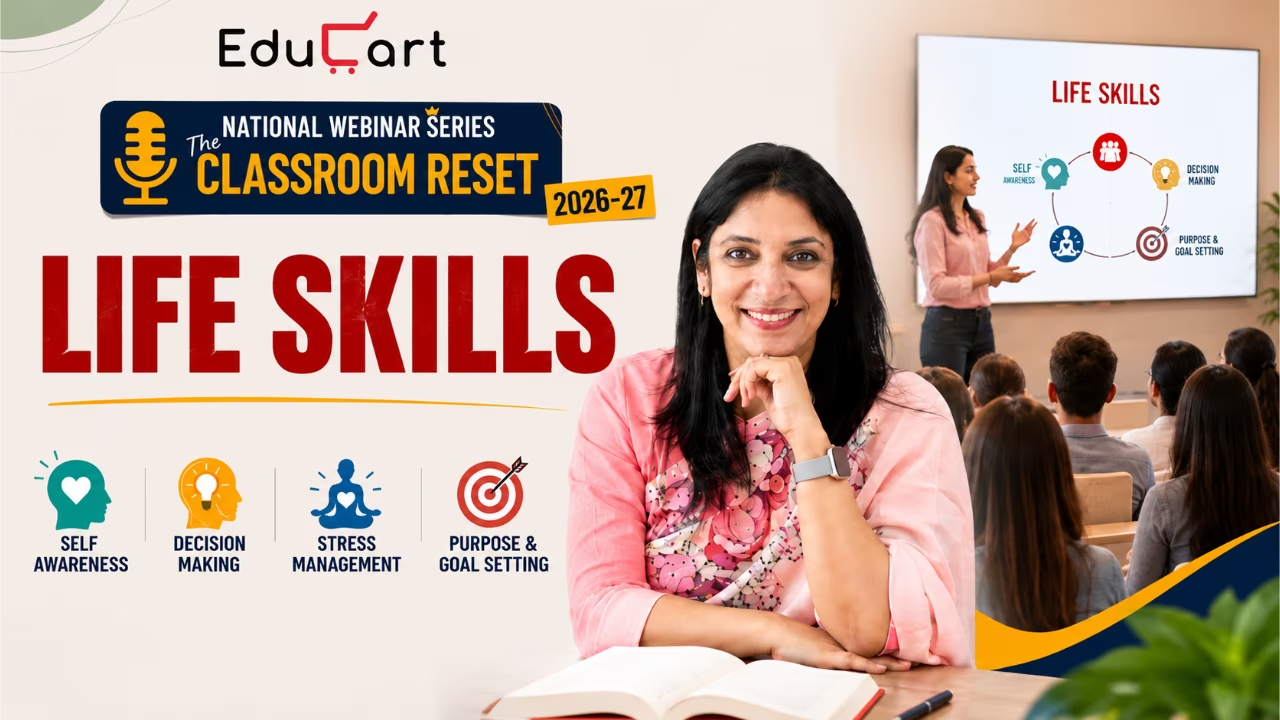
Workshop At A Glance
- Topic: LIfe Skills
- Organized By: Educart
- Duration: 2 Hours
- Speaker: Ms. Nikita Porwal
- Discussion Led By: Mr. Nishant Singh Lakra
- Type of Event: Continuous Professional Development Training (CPD) Webinar
- Participation Fee: Paid
Preparing Students for Life, Not Just Exams
The webinar started with the most important question–”are schools preparing students only for examinations, or are they preparing them for life also?”
The discussion moved forward on this thought where teachers discussed how academic knowledge helps students score better, while life skills prepare them to make informed decisions, manage emotions, build healthy relationships and confidently face real-life situations.
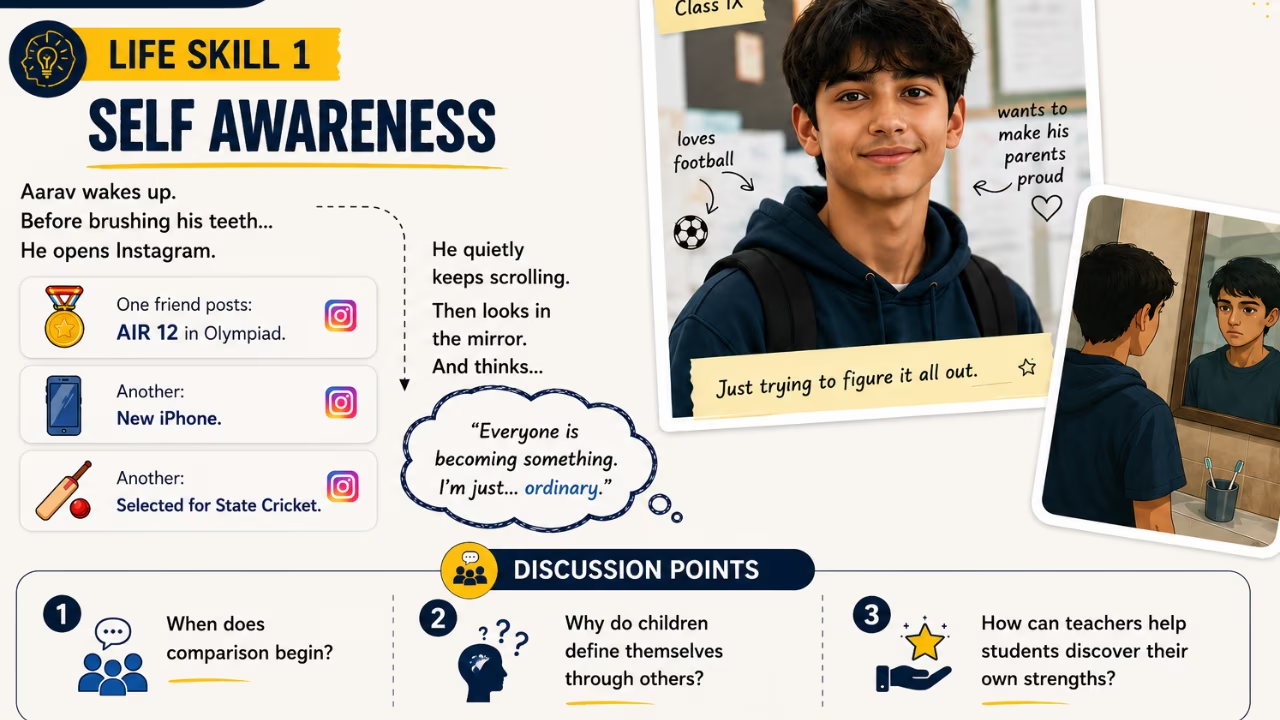
Using the functional journey of Aarav, a student of 9th, across ten everyday school situations, the session showed an example how teachers can naturally build life skills in the classroom, including:
- Self-awareness
- Empathy
- Communication
- Critical thinking
- Stress management
- Decision-making
- Resilience
- Digital responsibility
- Problem-solving
- Purpose & Goal setting
The discussion focused on the importance of understanding today's GenZ learners and incorporating life skills into everyday teaching rather than treating them as a separate subject.
Life Skills v/s Livelihood Skills
One of the key discussions focused on the difference between life skills and livelihood skills. While livelihood skills prepare students for careers, life skills helps them become emotionally intelligent, socially responsible, and grounded in ethics.
The webinar focused that while schools focus heavily on academic excellence, equal attention should be given to developing:
- Emotional regulation
- Resilience
- Interpersonal competence
These life skills help students succeed not only in their career but also in their personal lives.
Building Positive and Inclusive Classrooms
The discussion moved to unintentional classroom practices which promote unhealthy comparison, such as frequent ranking, public announcement of marks, and excessive focus on toppers.
Instead, the teachers were encouraged to focus on individual learner’s strengths and shift their focus from identifying weaknesses. The discussion then urged teachers to focus on:
- Create classroom environments where every child feels valued
- Encourage students to recognise their own strengths
- Build confidence through positive reinforcement
- Motivate learners to improve at their own pace
Understanding Students of the Digital Age
Understanding the growing influence of social media and digital platforms on students, the webinar focuses on digital responsibility as an essential life skill for today’s learner.
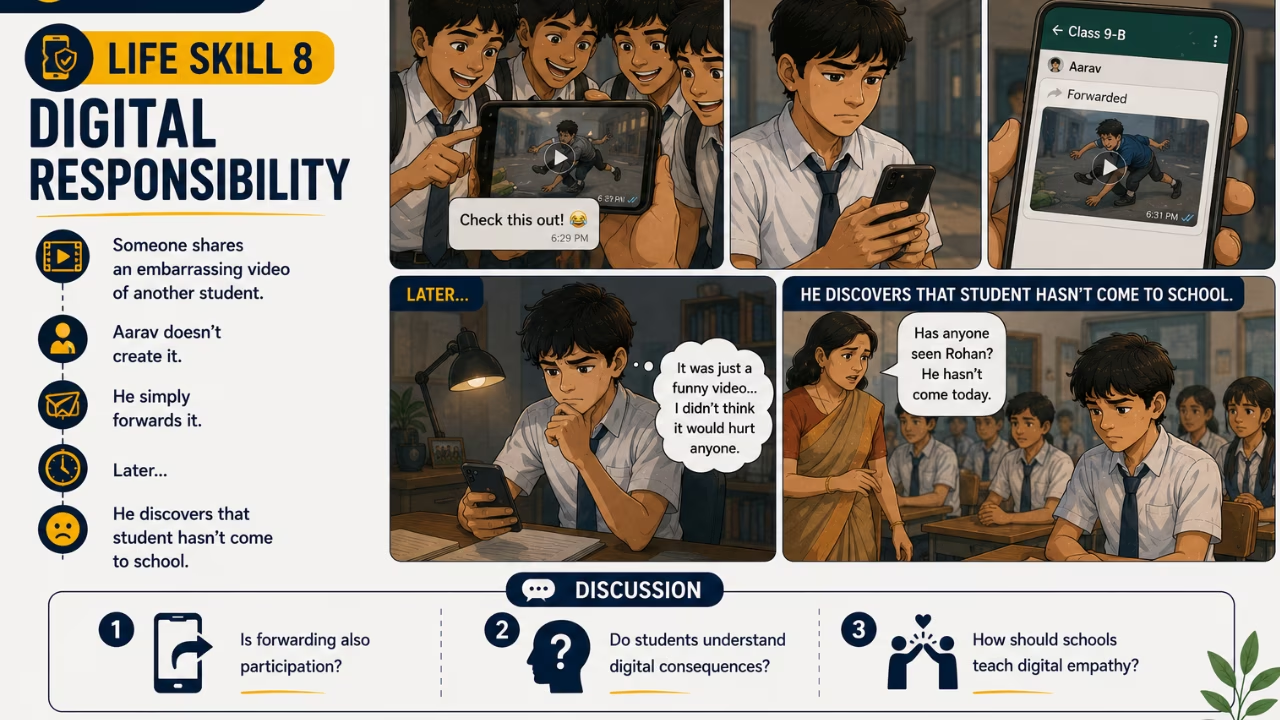
Teachers were encouraged to guide students to:
- Think critically before believing everything they see online
- Check facts before sharing anything
- Understand the difference between what is true and what is misleading
- Be careful about how they present themselves, both publicly and privately on the internet
Bringing Life Skills into Everyday Classroom Practice
Rather than treating life skills as another subject to be taught with books, the webinar showed how they can be naturally integrated into everyday classroom experiences. Some participants exchanged practical strategies that can be integrated into their classrooms including:
- Buddy systems for welcoming new students
- Collaborative problem-solving activities
- Structured group discussions
- Reflective exercises after school events
- Budgeting tasks
- Role plays
- Entrepreneurship fairs
- Model-making challenges
- Time-bound decision-making activities
The session emphasised that experiential learning is one of the most effective ways to help students build confidence, communication, collaboration, leadership, and problem solving skills.
Building Decision Makers and Resilient Learners for Future
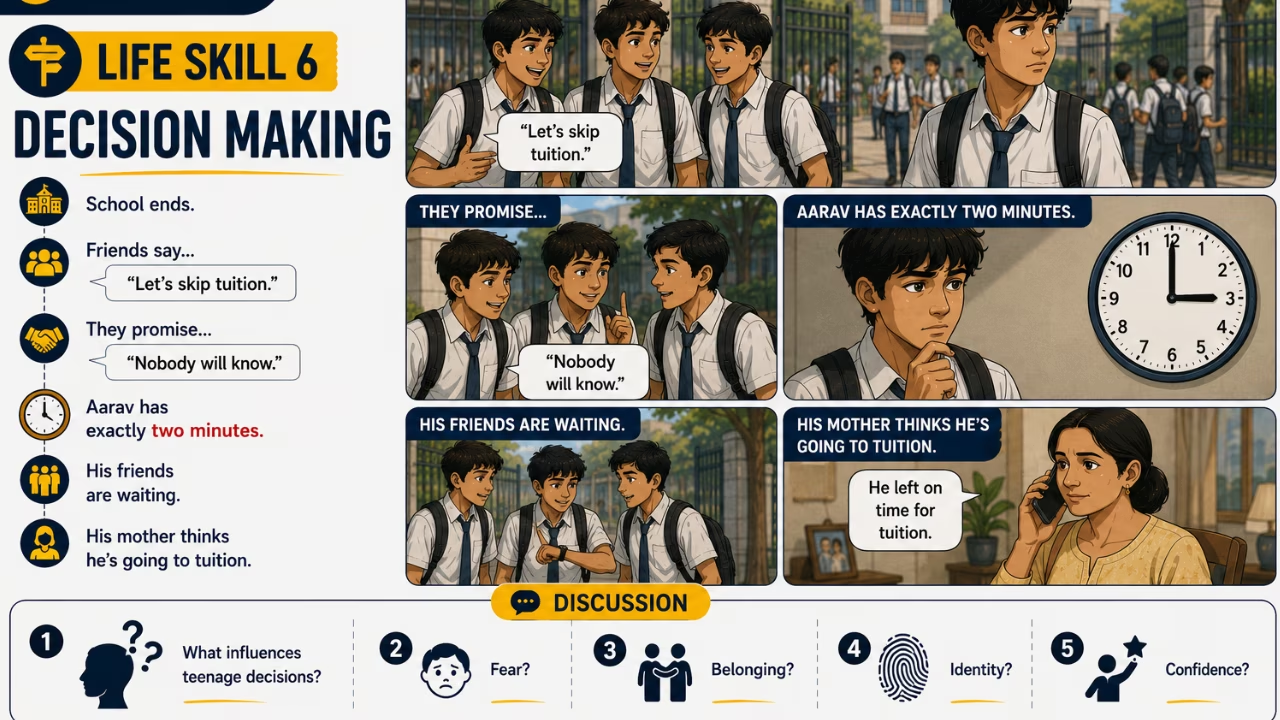
The webinar highlights the importance of encouraging students to make independent decisions and choices from an early age and reflect on the outcomes of their choices.
One of the session's most memorable reflections was–A good decision is one that a student can confidently explain to both parents and teachers.
The discussion then moved to resilience where participants along with Ms. Nikita discussed how school should view failure as an opportunity to learn rather than punishment as that would help students to build resilience, confidence and the courage to keep improving.
Every Classroom Interaction Builds a Life Skill
The webinar came to an end with a powerful reminder that life skills cannot be taught through lectures alone. They are developed through meaningful experiences, a positive school culture and consistent teacher behaviour, making every classroom interaction an opportunity to prepare students for life.
Participants left the session with practical classroom strategies and a fresh perspective about preparing students not only for the examinations but also for the complexities of the modern world.
Through the CPD webinar series, Educart aims to empower and support educators in building future-ready learners.
FAQs
Q1. What are life skills in education?
Ans. Life skills are practical abilities that help students manage emotions, communicate effectively, solve problems, make informed decisions and build healthy relationships for success in everyday life.
Q2. What is the difference between life skills and livelihood skills?
Ans. Life skills focus on personal, social and emotional development, while livelihood skills prepare students for careers and employment. Both are important, but life skills build the foundation for responsible and confident individuals.
Q3. How can teachers teach life skills in the classroom?
Ans. Teachers can integrate life skills into daily lessons through group discussions, role plays, reflective activities, collaborative projects, real-life situations and positive classroom interactions instead of teaching them as a separate subject.
Q4. What are some life skills activities for students?
Ans. Effective activities include buddy systems, role plays, budgeting exercises, collaborative problem-solving, model-making challenges, entrepreneurship fairs, reflective writing and time-bound decision-making tasks.
Q5. Why is digital responsibility important for students today?
Ans. Digital responsibility helps students think critically, verify information before sharing, identify misleading content and use social media and the internet safely and responsibly.
Q6. How can I attend Educart's next CPD webinar?
Ans. Stay updated with Educart's upcoming CPD webinars through Educart’s CPD page. Join the next session to gain practical classroom strategies and earn valuable professional development insights.
Glimpse of the Event

Share Article


.svg)





%2520(1).avif)






















.svg)

