.svg)
Every learner matters, but supporting those who need career guidance the most is where our responsibility to society truly begins.
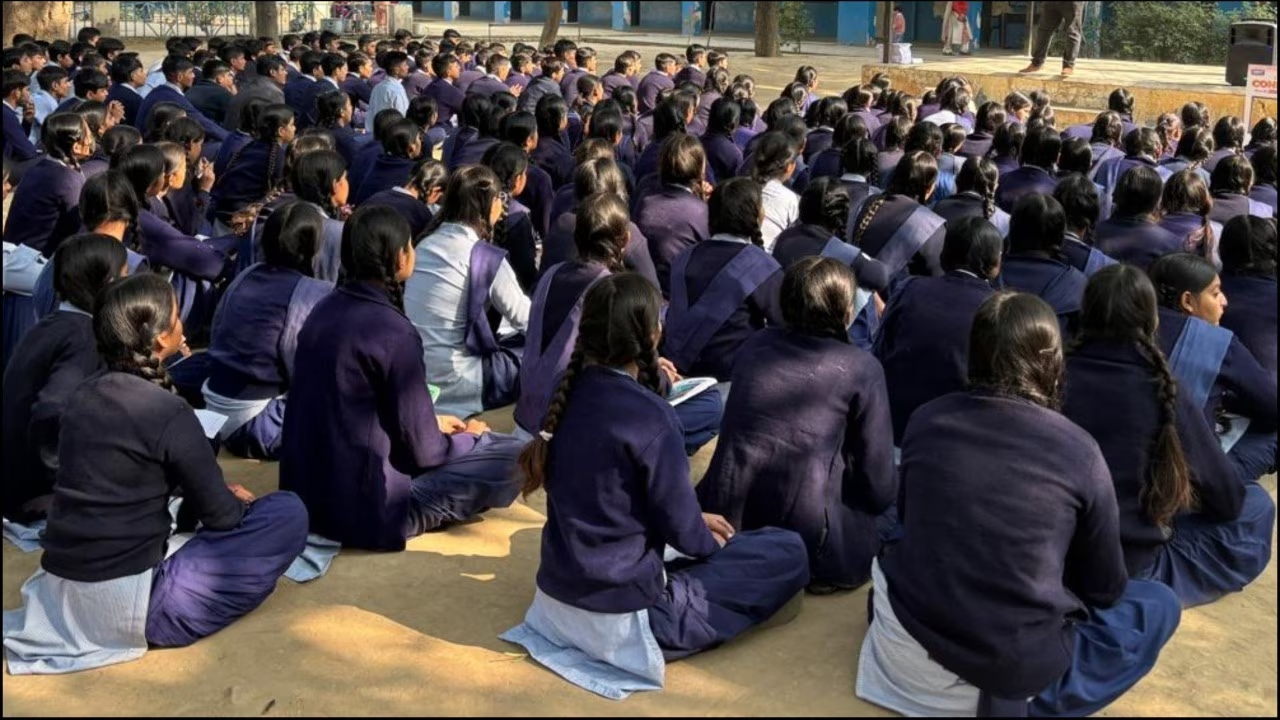
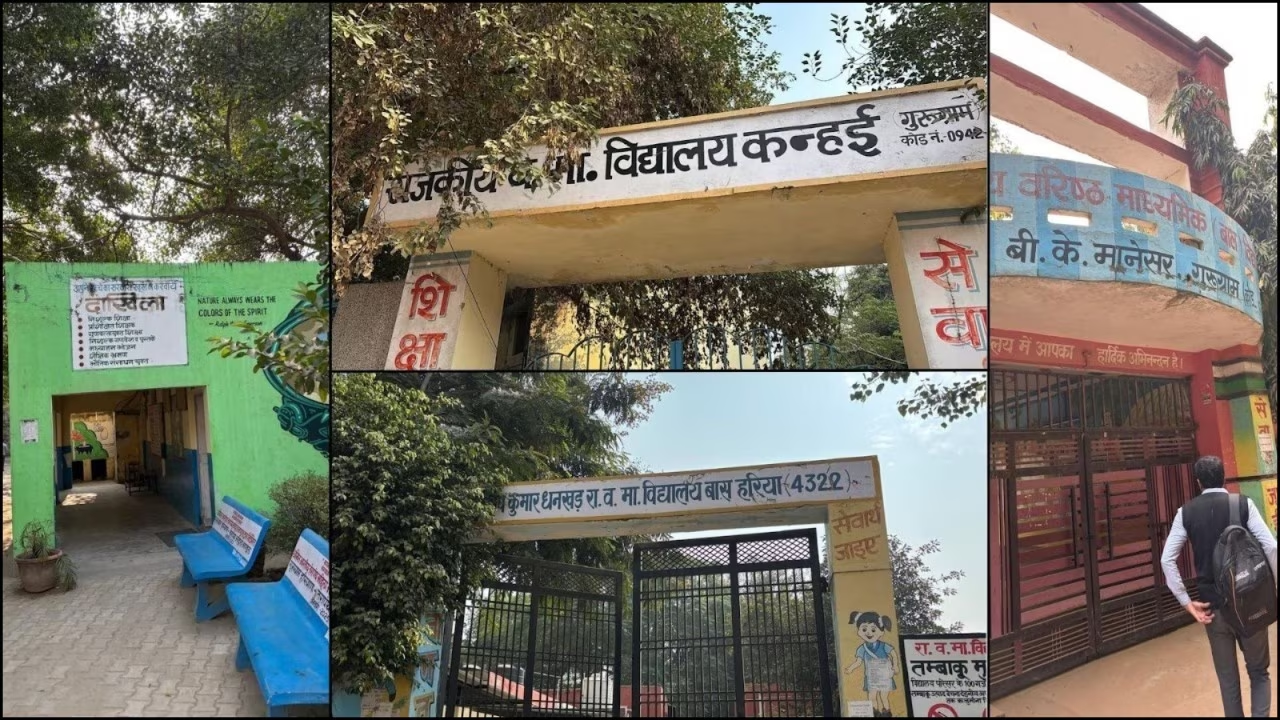
In the outskirts of Gurugram, there exist government schools which serve students in need and lack private access. The schools support the students despite having limited resources, as their primary aim is to impart knowledge.
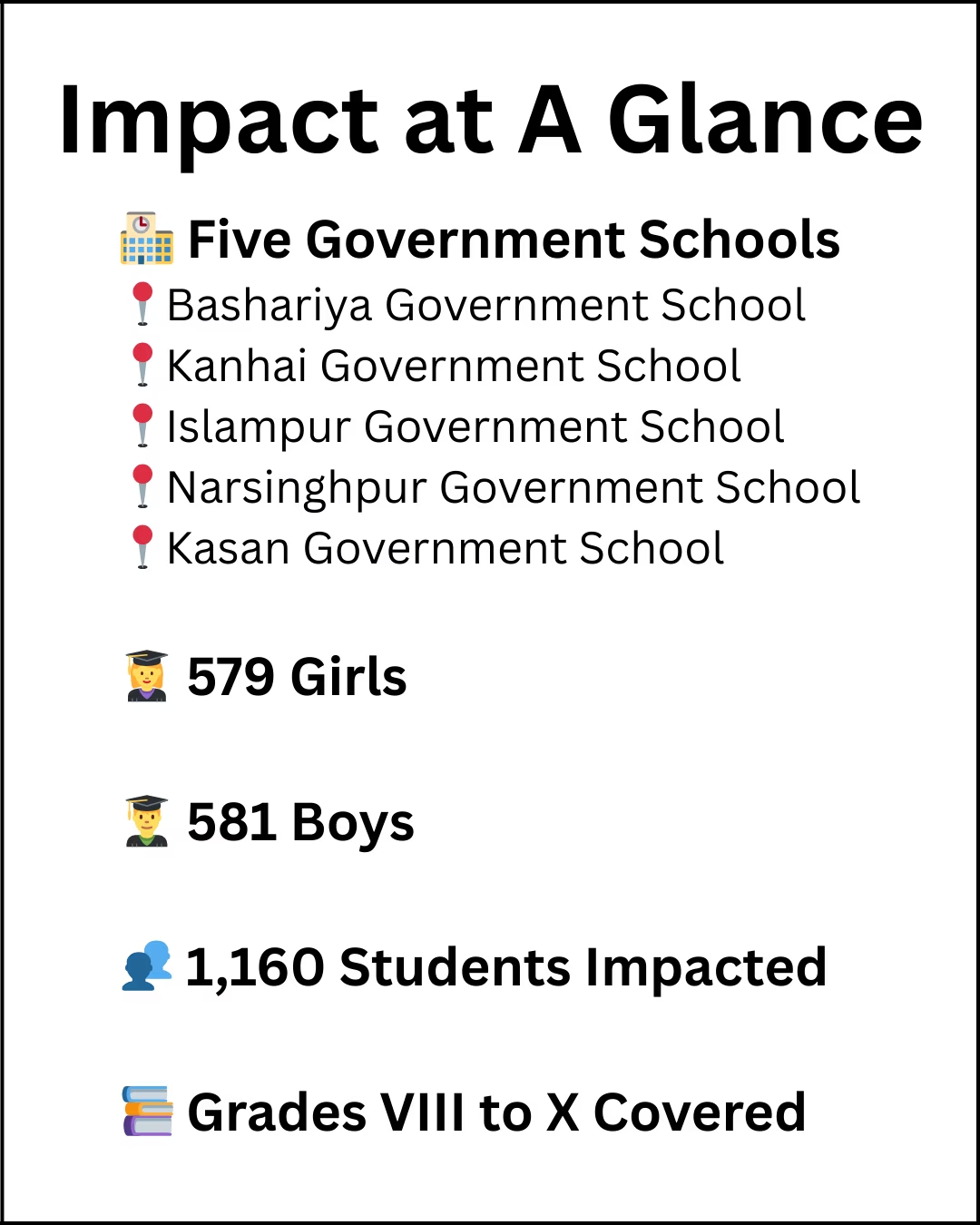
On understanding the gap, SKF challenged Educart to provide career guidance as a social responsibility to those whose aspirations exist but are unclear amid uncertainty and lack of direction.
Educart took up the challenge and curated a structured career counselling programme in collaboration with Agastya International Foundation, supported by their strong presence and trusted connections in government schools.
Objective of The Session
The primary objective of the career guidance session was to bring career clarity to both students and their parents. With almost 90% of the students belonging to under-resourced families, with parents employed as house help, auto drivers, or security guards, they should have realistic career options which they can go home and discuss with their parents.
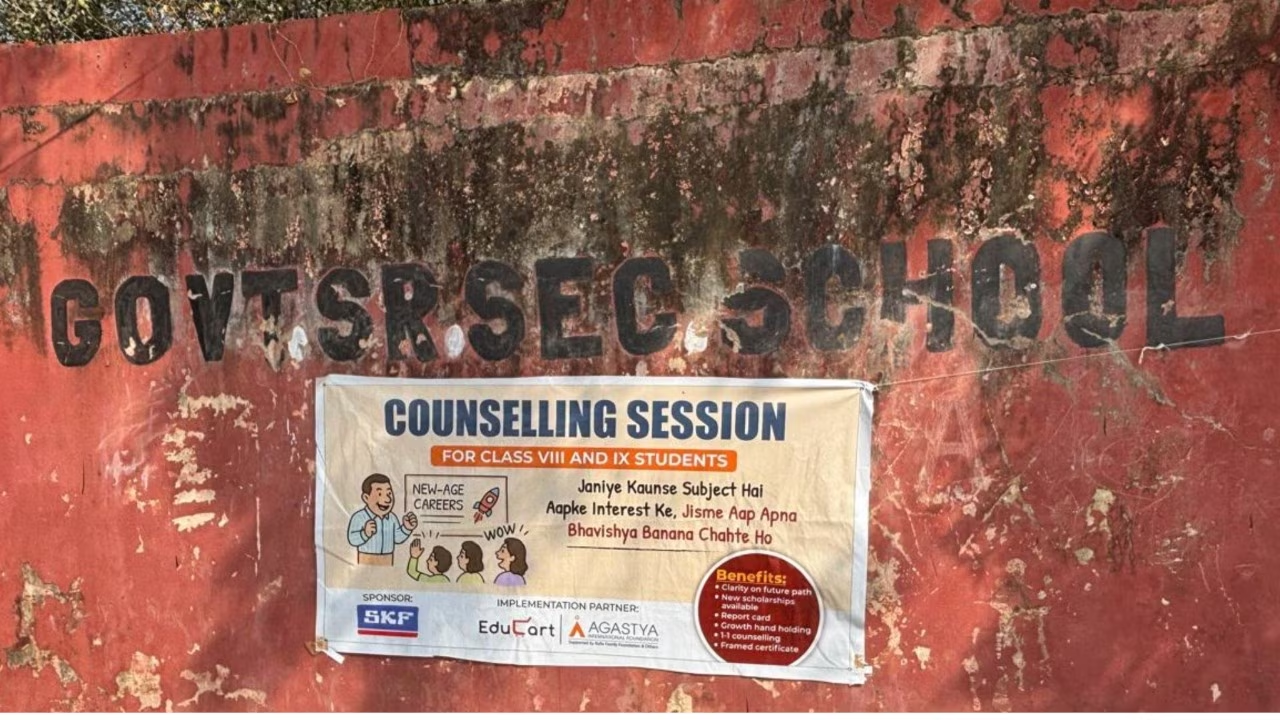
- To open young minds to realistic career paths and academic possibilities
- To help students discover their strengths and interests
- To nurture self-belief and decision-making skills among adolescents
Programme Framework
Educart followed a step-by-step programme framework which was meant to cater every aspect related to the learner and their bright future.
- Selection of the target group - Student of class VIII - X were chosen as the target group
- Major Components Included
- Orientation Session
- Psychometric Test
- Career Guidance Session with the Learners (psychometric test result discussion)
- One-to-One Counseling
Let us take you through each stage of the programme, detailing how it was implemented step-by-step across all five schools - right from the very beginning.
Step-by-Step Implementation
For the success of the career guidance programme, it was important to ensure that everything that takes place should be in structured format.
1. School Environment Overview
So, it first began with the recce across all the five schools to assess spaces for conducting various activities, followed by the meeting which were held with the principals to understand school-specific requirements.
2. Creating Curiosity
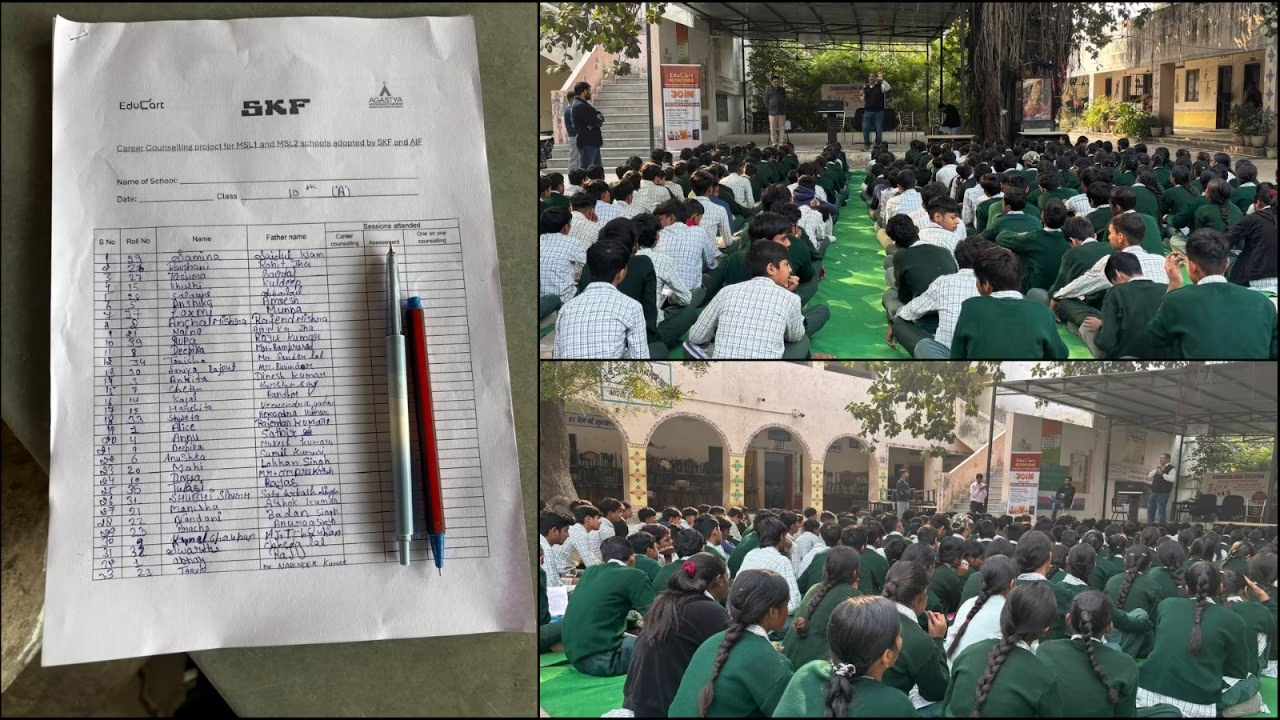
Getting learners to attend the session was the most difficult but the most crucial part of the whole career guidance session. The goal was to help them understand the value of the guidance programme, ensuring their meaningful participation rather than mere attendance.
Attractive yet guided colourful posters were put across schools to capture students attention, supported by whatsapp messages from teachers and prominent banners highlighting the programme offerings.
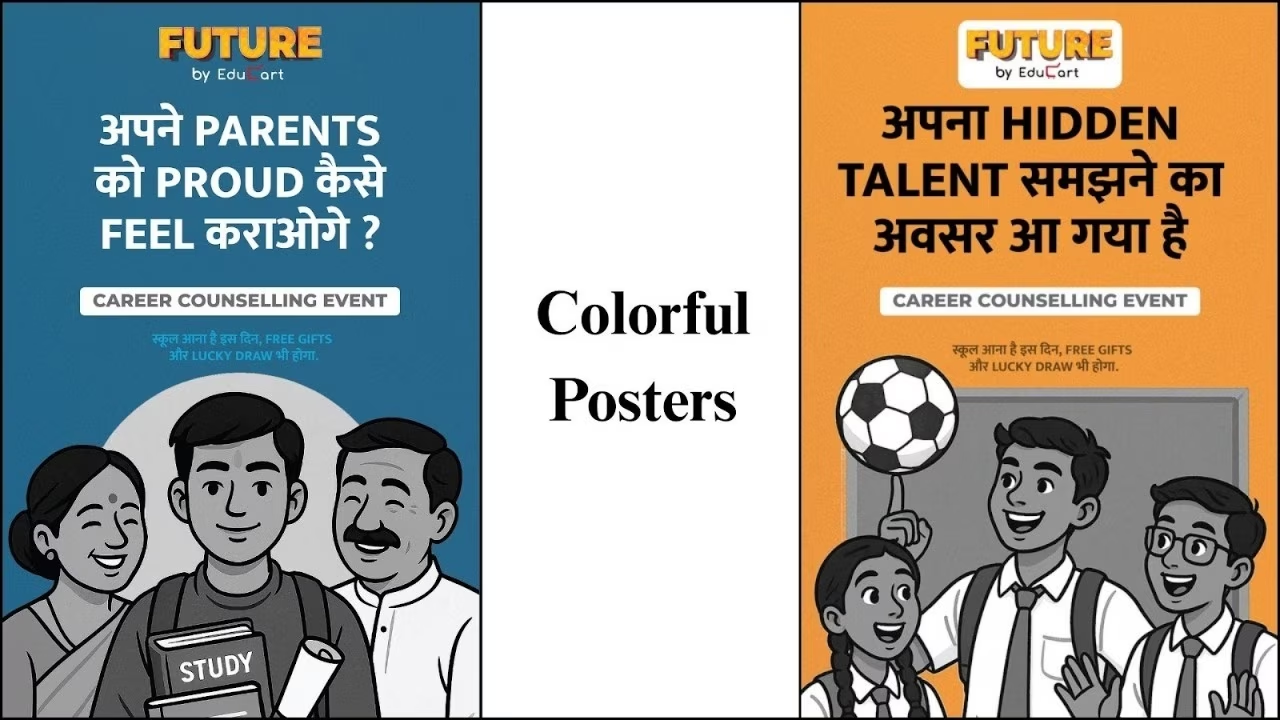
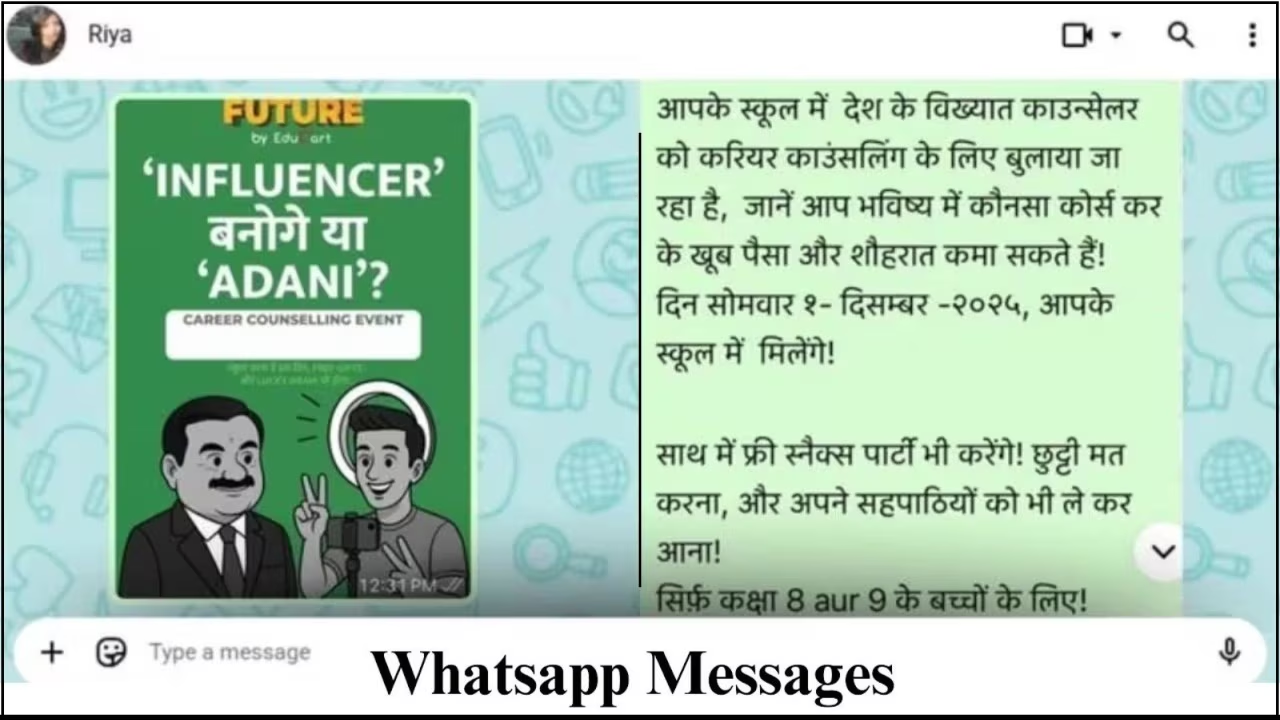
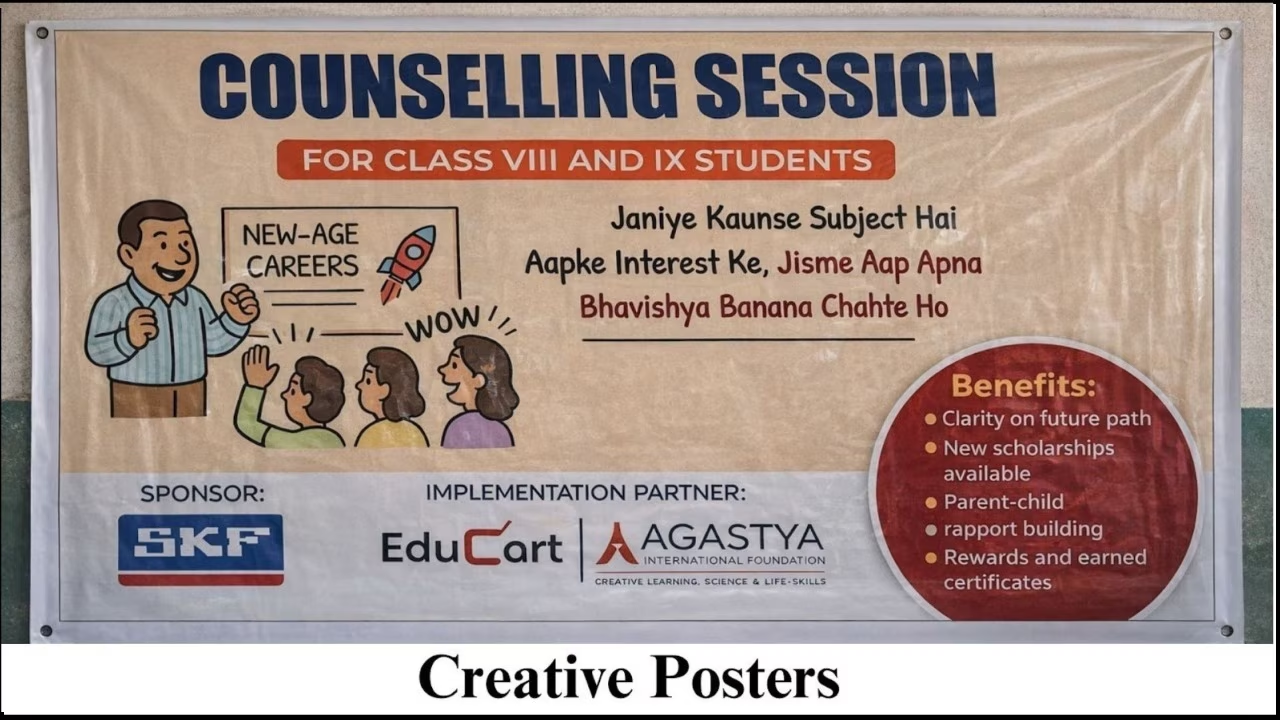
As a result, the nearly 90% attendance was witnessed and this happened because of a simple strategy behind the planning, the outreach plan which combines visuals, teacher support and communication.
3. Beginning of Phase One
The phase one kickstarted with an orientation session where our lead counsellor, Anubhav Rakheja took the charge. He began by introducing himself to the students followed by an orientation session which added to the curiosity with which they came in.
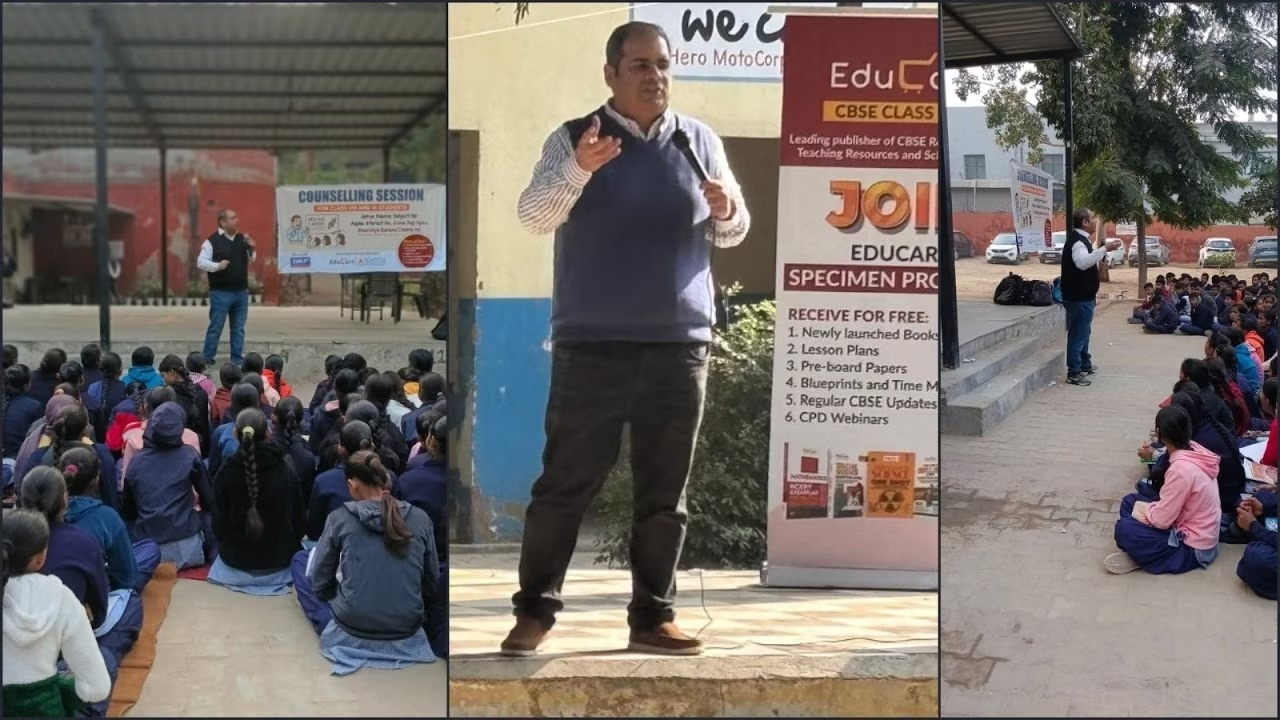
It included comforting the students by understanding their pain points, followed by a short session which incorporated why this session is crucial for them and why Team Educart is there.
The first interaction is the most important part of any session as it connects you to the people and here, the connection was clearly established and learners were all set to see what comes up next.
3.1 The ‘Potential Discovery’ Test
For effective guidance, knowing what students' incline towards holds high importance, However, directly asking from each student amidst the strength of 1031 students was a task.
This is where the psychometric test played a crucial role, enabling a structured and objective understanding of students’ interests and strengths.
Interesting Fact: For many students, this was their first experience using OMR sheets. Introducing this format was a conscious step towards familiarising them with modern assessment methods andbuilding confidence in navigating future competitive exams.
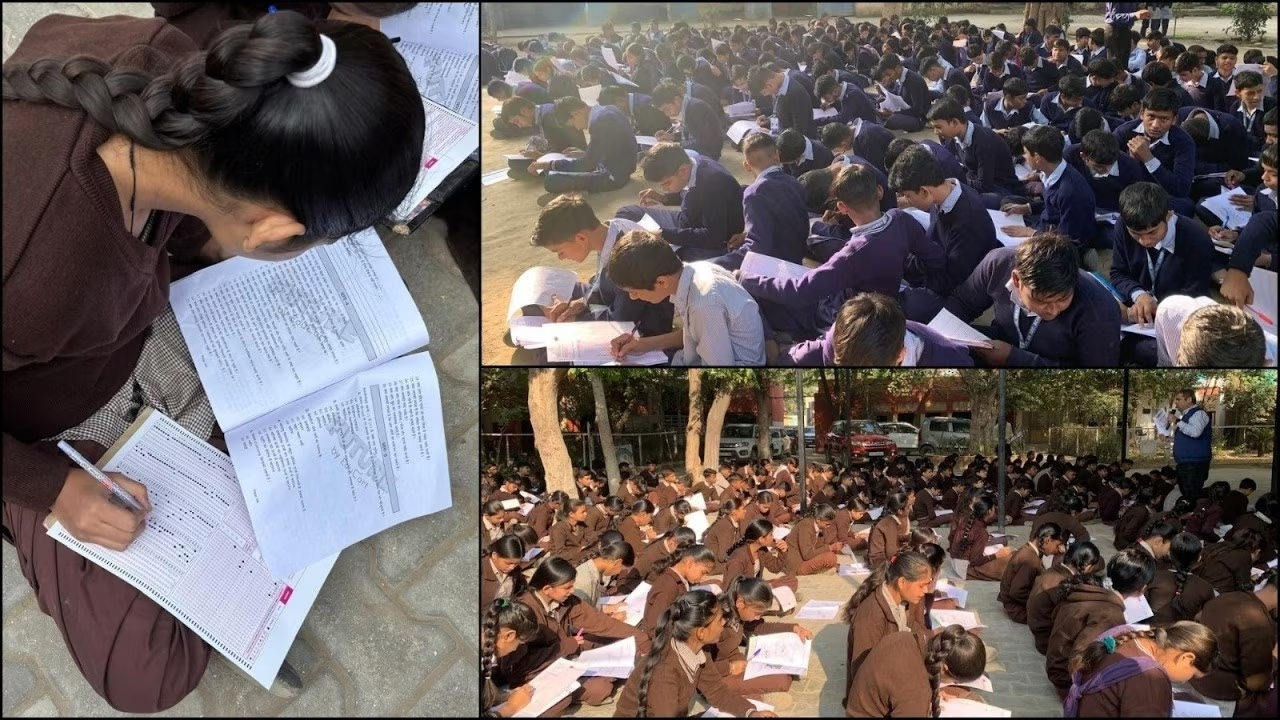
So, a psychometric test was conducted through the medium of OMR sheet to know the students better for correct guidance moving forward.
3.2 Rewarding Participation
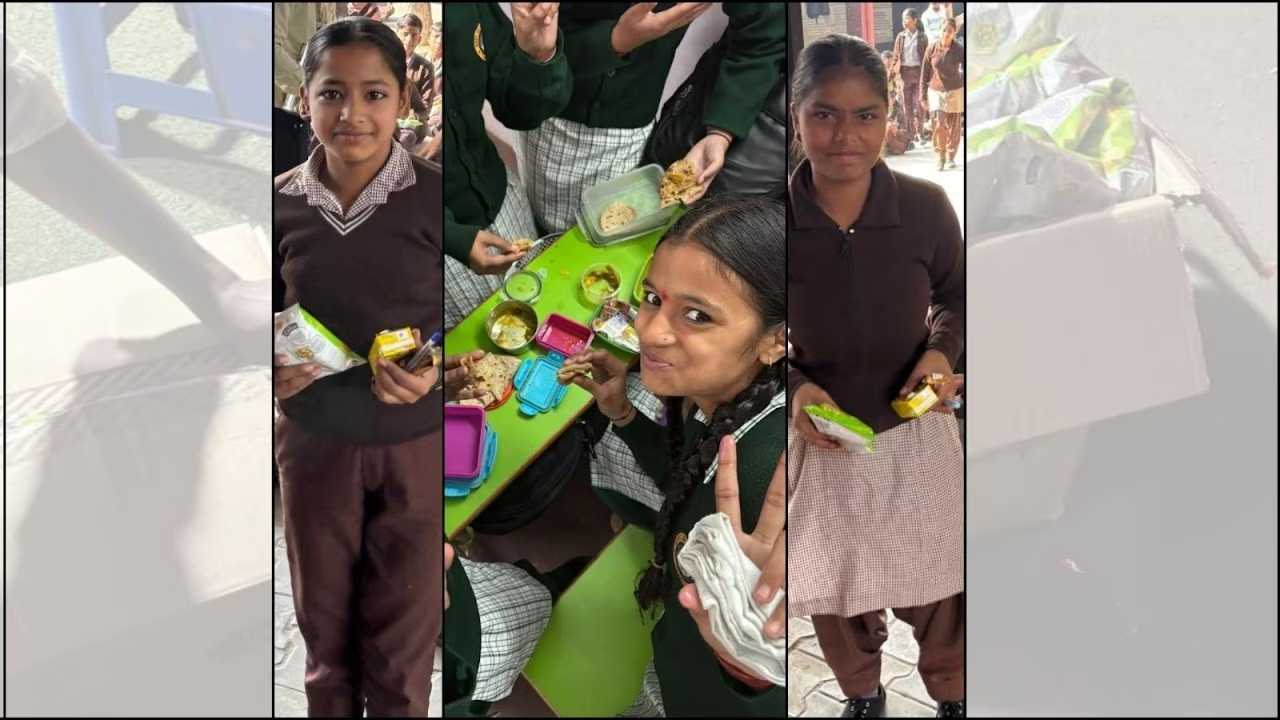
To keep students engaged and spirits high, snacks were distributed, and the excitement levelled up to another level.
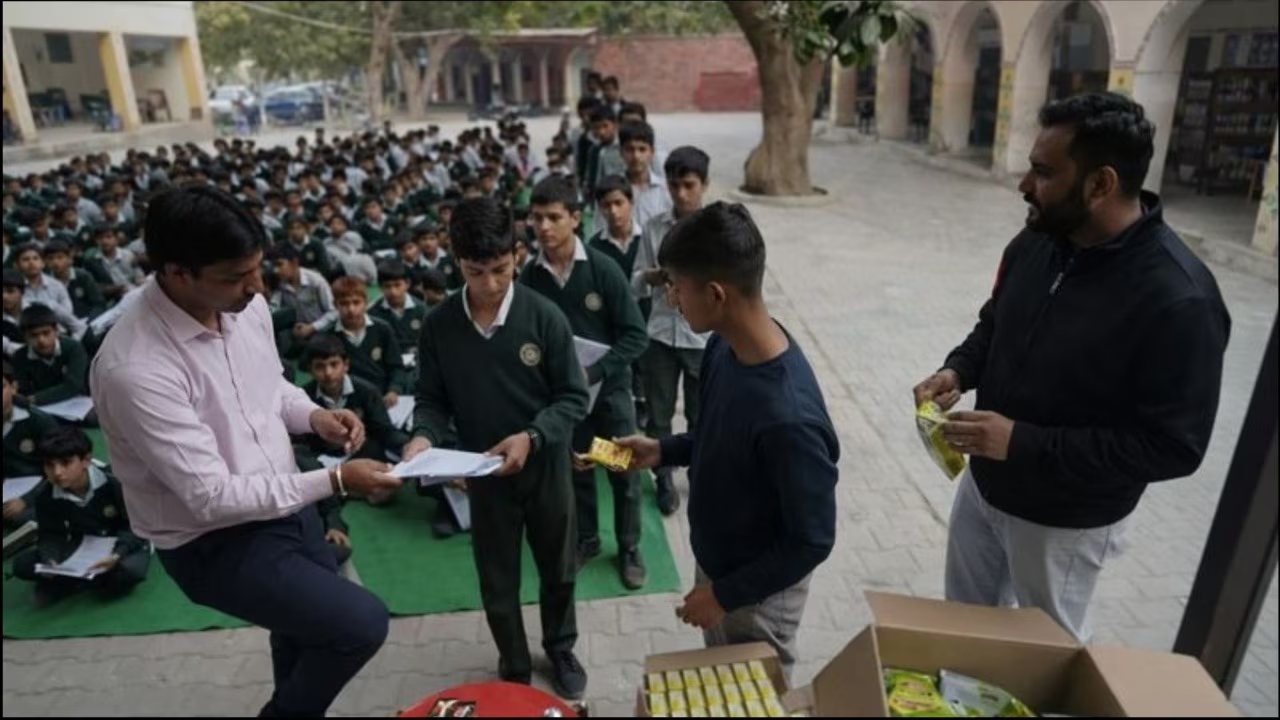
This small celebration was meant to make them feel accomplished for enthusiastically participating in a psychometric test for the first time and showing interest in knowing themselves better.
4. Beginning of The Phase Two
Phase two came with its share of challenges, such as varied levels of student awareness and limited clarity about their interest. Despite this, we managed the phase effectively. Let's see how.
4.1 Interests Explored Together
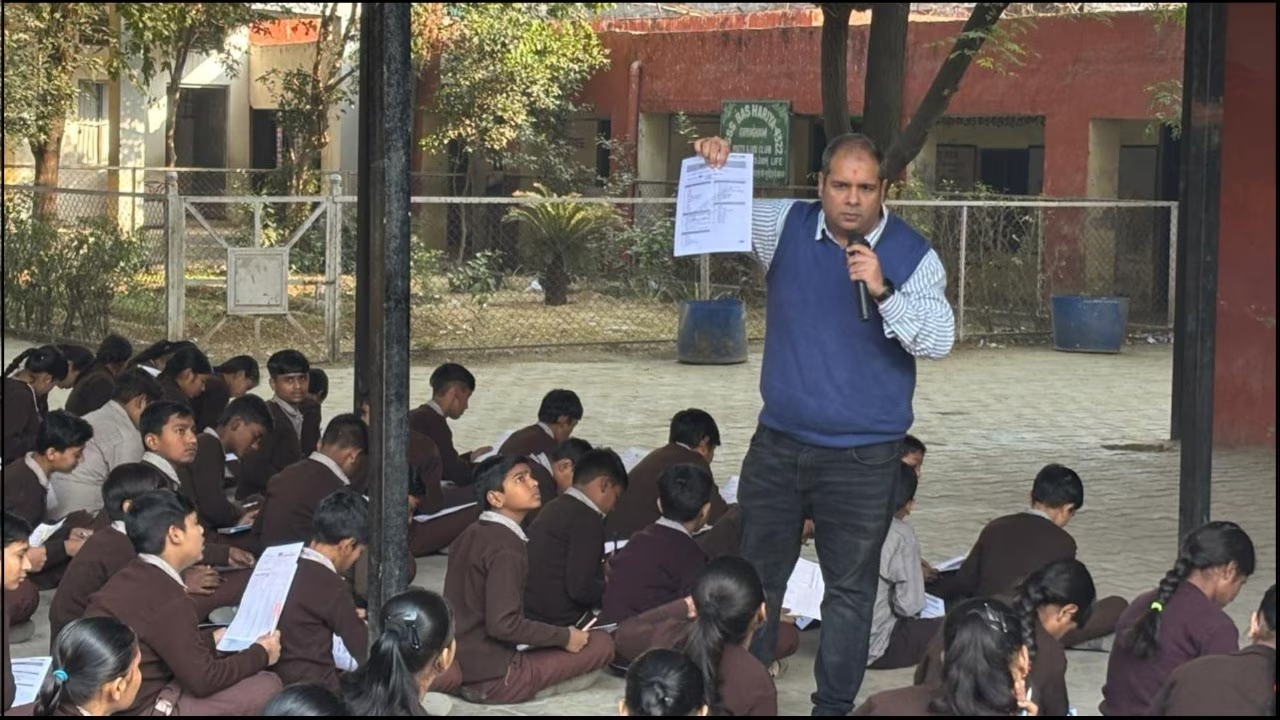
Phase two was the real game changer as it had all the answers to learners queries. It started with an impactful career guidance session where students were addressed by Anubhav Rakheja on the basis of the results of the psychometric test.
The Impact:
- Students were feeling heard about their career
- Greater engagement during the counselling session
- Not only the students, but also the teachers felt a targeted plan of guidance
- Students responses grew stronger
What Created the Impact:
- Understanding aptitude vs aspirations
- Provision of Career Clarity
- Reduction in the fear of ‘wrong decisions
4.2 Guidance Tailored to Every Student
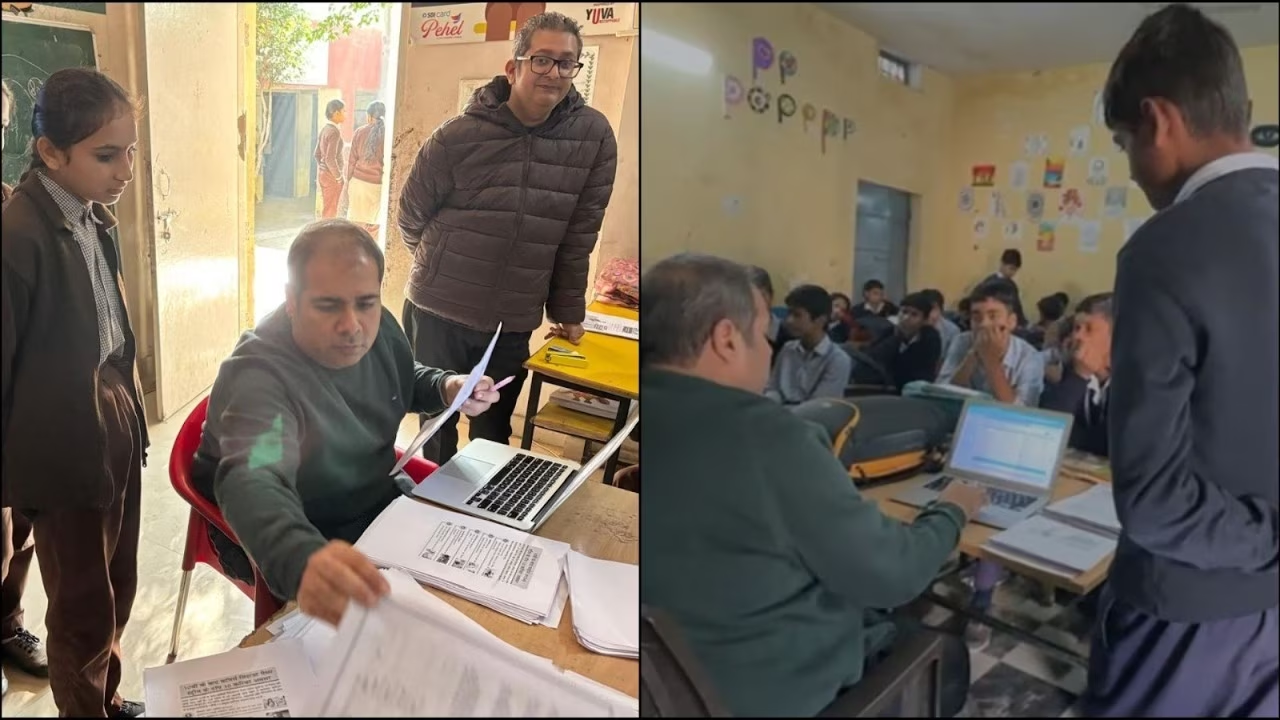
A guidance initiative so strong requires an even stronger conclusion and so the final stage included one-to-one guidance for every learner.
What We Did:
- We guided students to reflect on their personal interest, and areas of strength
- Understood the background they were coming from
- Rather than pushing towards the predefined careers, we guided them for career options where their interest could align - emphasised more on suitability of the career rather than popularity
- A career pathway was created for every individual which depicted a connection between subject, skill and career so that the student could easily make an informed decision
- Financial, academic, and social concerns were addressed in a non-judgemental environment
How Did It Impact the Students?
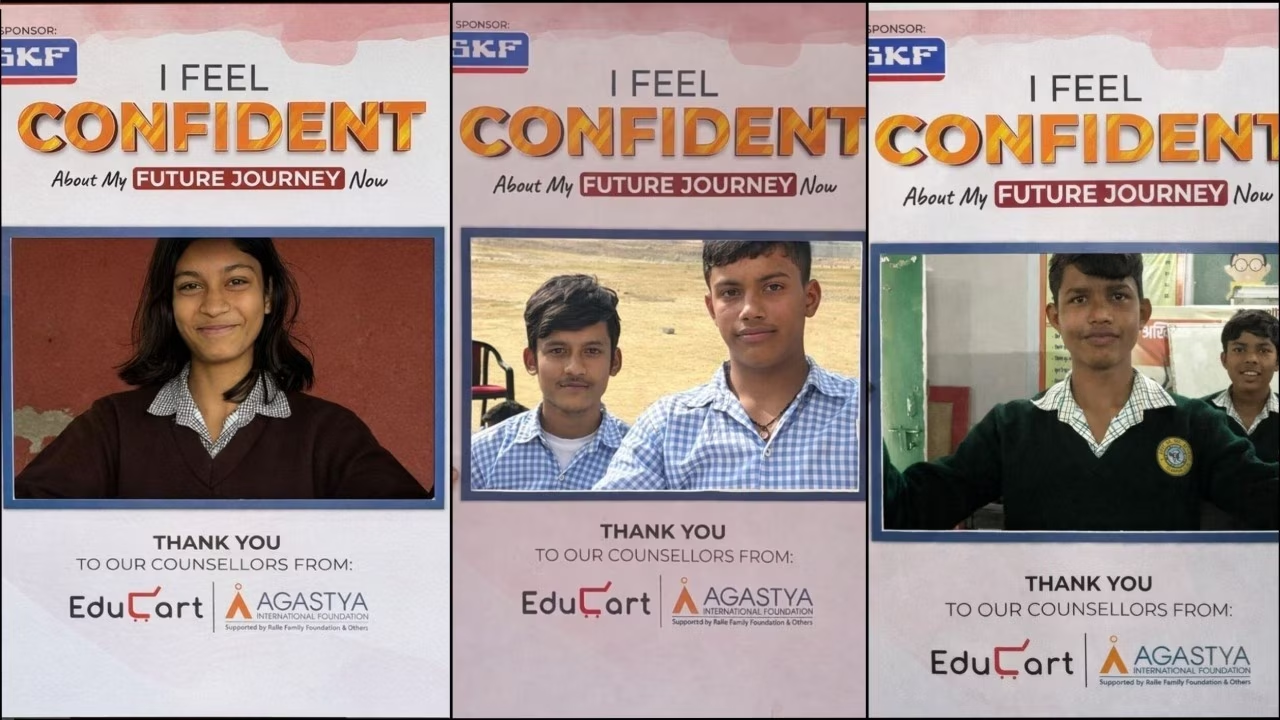
- Students were seen confident after knowing that they realistic career options in front of them
- The were seen much more aware than before
- As they were supported by clear career pathways, a sense of relief was seen on their faces
5. Voices of School Leaders
Teachers and principal were present throughout the career guidance programme and after witnessing everything themselves, they felt content. The way equity was ensured, and every aspect of the students was followed by guidance made the teachers more confident about students' choice of careers.
Acknowledging The Heroes
A big shoutout to SKF for funding this program and Agastya International Foundation for helping us bring it to life on the ground. Without them, students wouldn’t have had this chance to explore careers and discover their strengths.
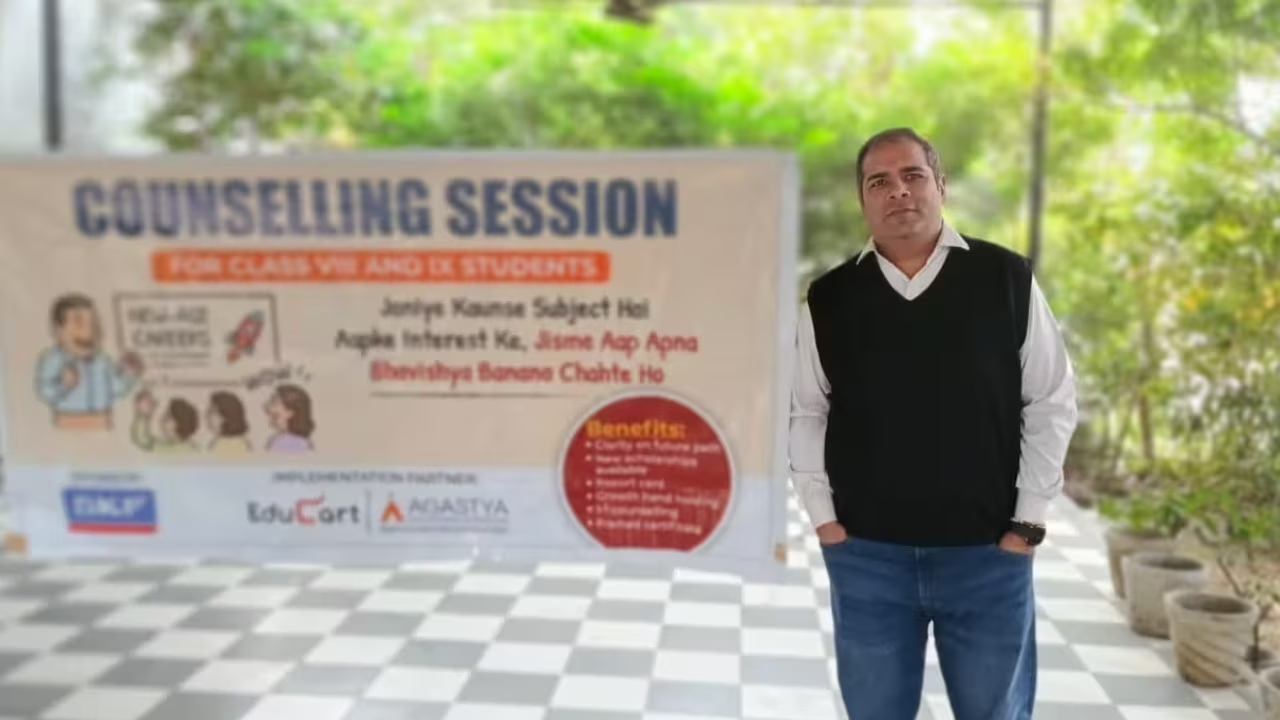
And of course, Anubhav Rakheja, our lead career counselor, deserves a special thanks for guiding everyone so patiently and making the sessions fun and useful. Thanks to all of them, students walked away feeling inspired, confident, and ready to take the next steps toward their future!
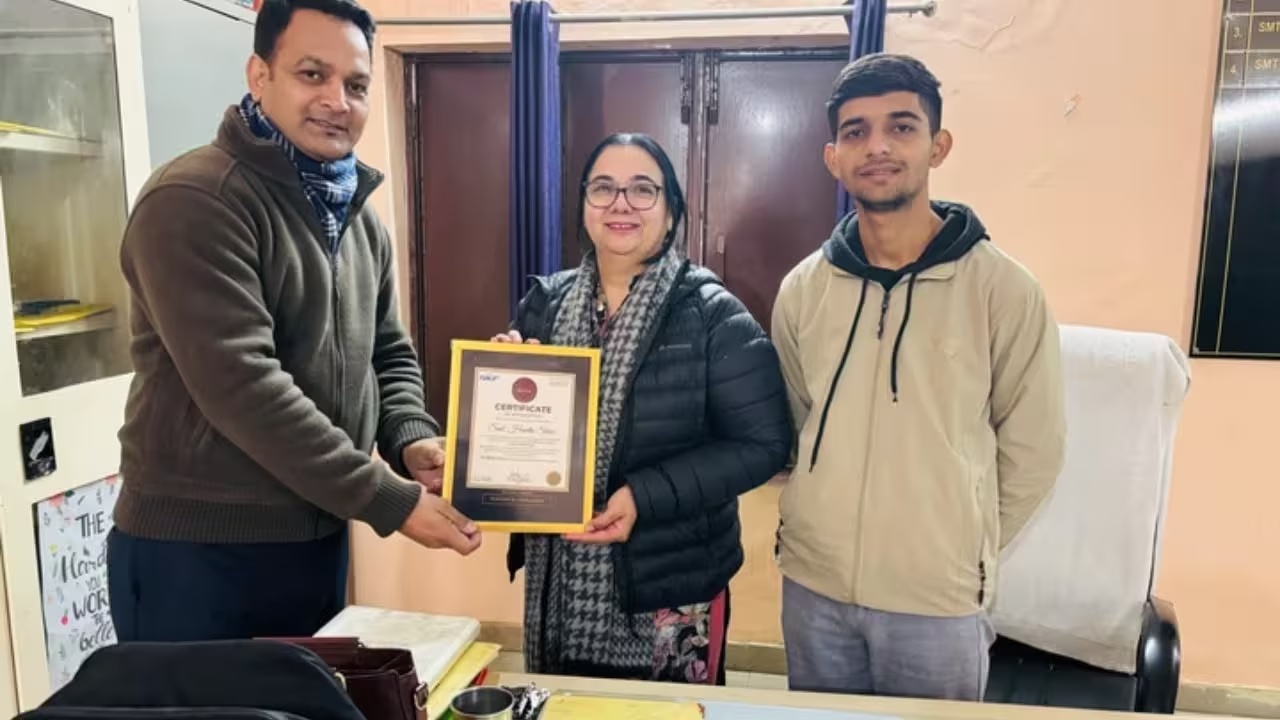
A special thanks to the school principals as well, whose support and smooth facilitation made these sessions possible. From coordination to encouraging student participation, their cooperation played a key role in the successful execution of the program.
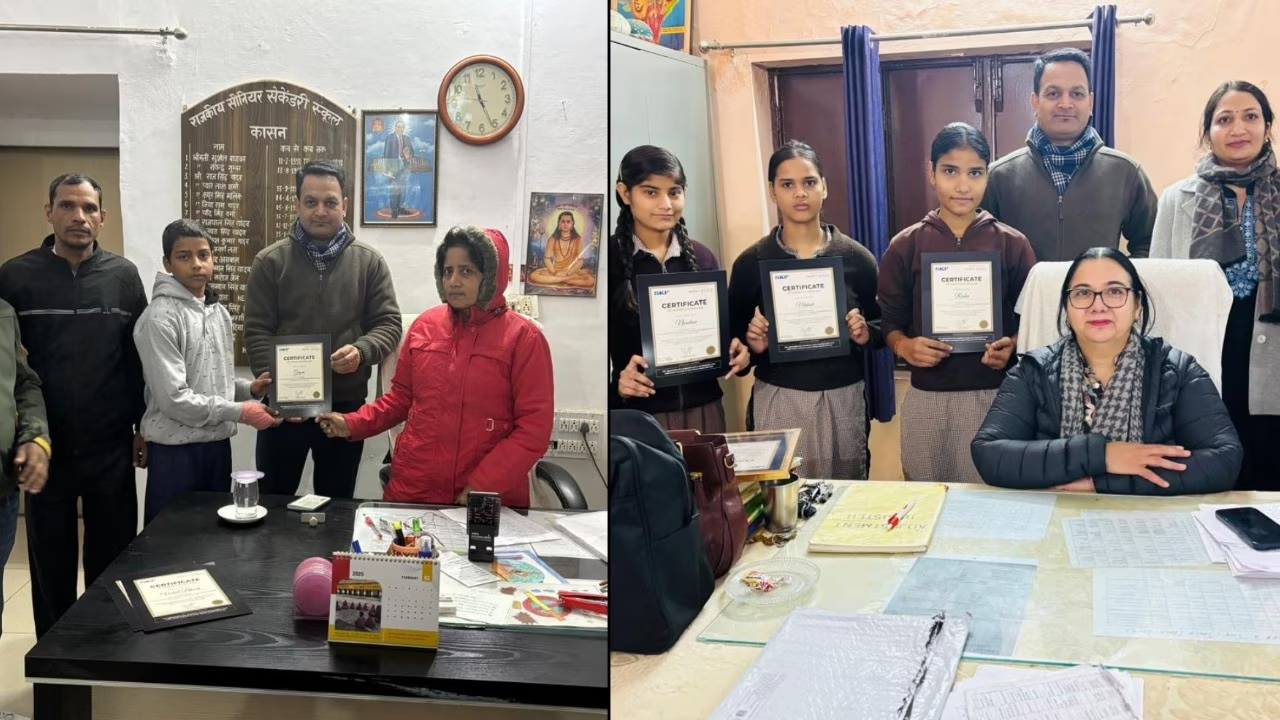
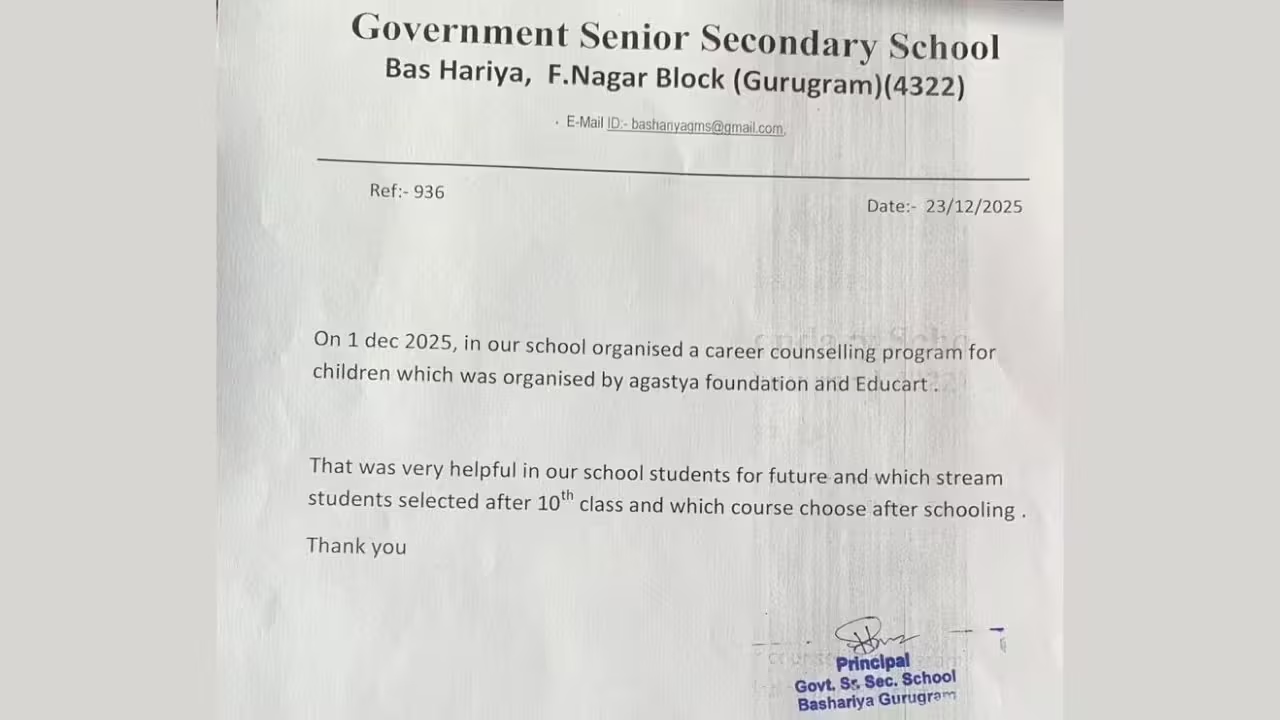
The school principals were very happy to see students earn a certificate. They showed great interest and asked when similar sessions could be conducted for higher-grade students as well. One of the principals also shared their appreciation by sending a thank-you letter.





.svg)

